For thousands of years, the act of burning fragrant botanicals has served as a sacred bridge between the physical and the spiritual. Across ancient temples, monastic sanctuaries, and indigenous hearths, smoke cleansing herbs has been revered as a living medium capable of clearing stagnant energies, marking transitions, and carrying intentions into the unseen.
While modern practices often group all aromatic burning under broad terms, the true art of smoke cleansing is deeply nuanced. Different botanical allies carry unique energetic profiles and histories: where sharp, astringent herbs dispel negativity and reset a space, sweet grasses and flowering tops invite harmony, and heavy, ancient tree resins ground rituals in solemn contemplation.
Whether you are seeking to purify your home, deepen a daily meditative practice, or understand the cultural lineage behind these sacred aromatics, this comprehensive guide explores the botanical properties, energetic meanings, and practical techniques of the world’s most revered smoke cleansing herbs and resins.
Garden Sage (Salvia officinalis)
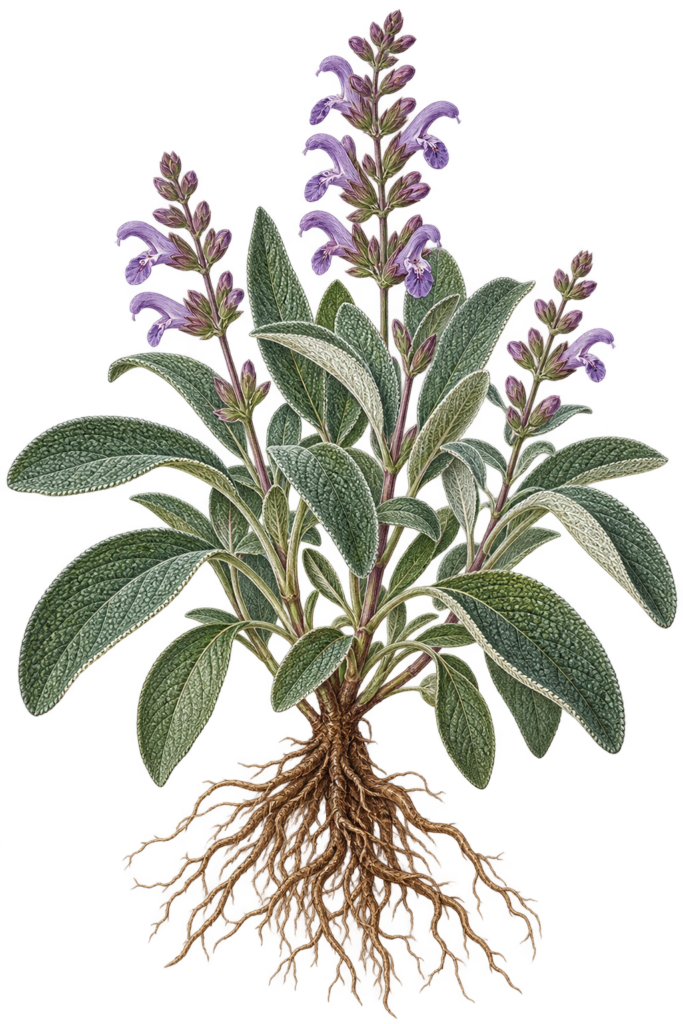
Garden sage (Salvia officinalis) is the common culinary garden sage grown throughout Britain and Europe. Among the Best Smoke Cleansing Herbs, it should not be confused with North American white sage. This is an accessible, sustainable workhorse for household smoke cleansing. Used across Europe and the Mediterranean for flavouring food and for folk magic and domestic traditions. Grown near doorways, it warded off illness and cultivated vitality.
- Spiritual Profile: Energetically brisk and clearing. It breaks up sluggish, stagnant domestic vibrations, resets mineral specimens, and cleanses stale air without leaving a heavy energetic void.
- Scent: Earthy, savoury, and sharp.
Use in Smoke Cleansing
Within contemporary smoke-cleansing practice, garden sage has become a popular alternative for people who want an easily obtainable aromatic herb for a personal cleansing ritual. Its modern spiritual associations centre on:
- Purification
- Prayer
- Blessing
- Protection
- Sacred ceremony
- Spiritual preparation
Sage’s connection with wisdom is reflected in its name: Salvia derives from a Latin root associated with health or salvation, while the word “sage” itself became synonymous with a wise person.
Dried garden sage leaves can be burned individually in a heat-resistant vessel. They can also be incorporated into a small botanical bundle for smoke cleansing. Sage is among the Best Smoke Cleansing Herbs
If you want to explore Garden Sage further this is my other article Garden Sage (Salvia officinalis): Botanical Guide
White Sage (Salvia apiana)
Traditional or Modern Association: Sacred Indigenous Ceremonial Plant
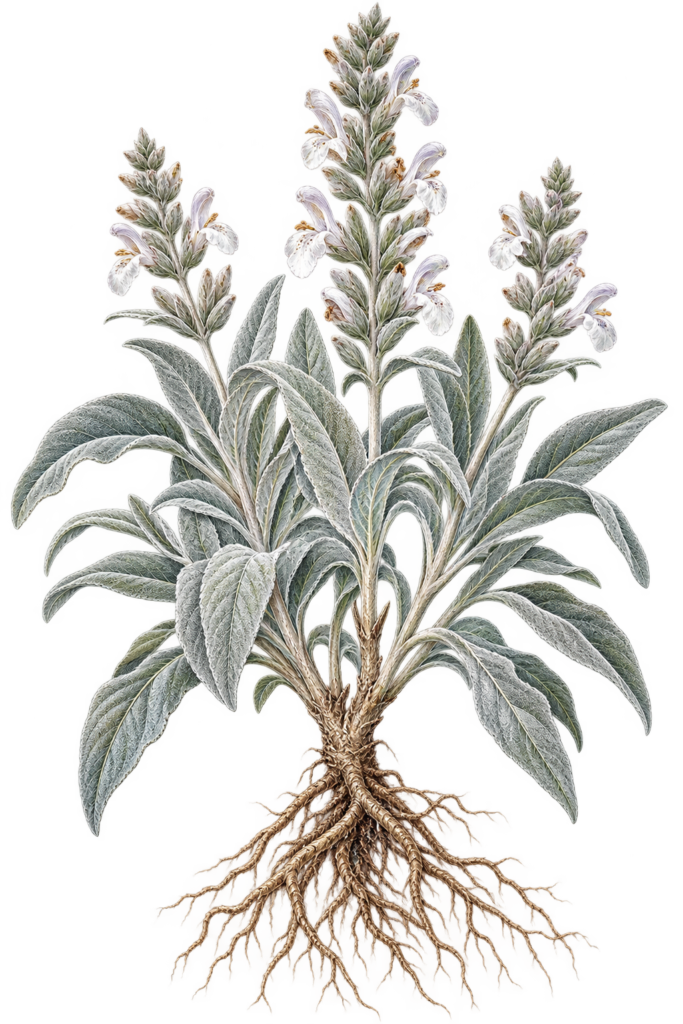
Native to the coastal sage scrub habitats of Southern California and Baja California, white sage holds deep sacred, ceremonial, and medicinal significance for Indigenous nations of the region, including the Chumash, Tongva, and Kumeyaay peoples.
- Spiritual Profile: Traditionally used in sacred smudging ceremonies to purify prayer spaces, sanctify participants, and connect with the spirit world. In modern ethical practices, users prioritise ethically cultivated or Native-sourced sources to combat wild poaching and habitat destruction.
- Scent: Pungent, herbaceous, and intensely sharp.
White sage (Salvia apiana) deserves a separate section because its cultural context is substantially different from ordinary garden sage. It is native to parts of the south-western United States and north-western Mexico and has deep ceremonial significance for a number of Indigenous peoples.
Spiritual Meaning
Depending upon the particular community and tradition, sage can be associated with:
- Purification
- Prayer
- Blessing
- Protection
- Sacred ceremony
- Spiritual preparation
The modern wellness market frequently markets bundles of white sage as Best Smoke Cleansing Herbs for removing negative energy.
White Sage and Smudging
The words smudge and smudging are often casually applied to virtually any smoke-cleansing practice. You do not need white sage to practise smoke cleansing. Garden sage, rosemary, lavender, incense and numerous locally available botanicals can provide alternatives.
If you want to read more about white sage, see my article Ultimate Guide to White Sage (Salvia apiana)
Rosemary (Salvia rosmarinus)
Traditional or Modern Association: Protection and Clarity
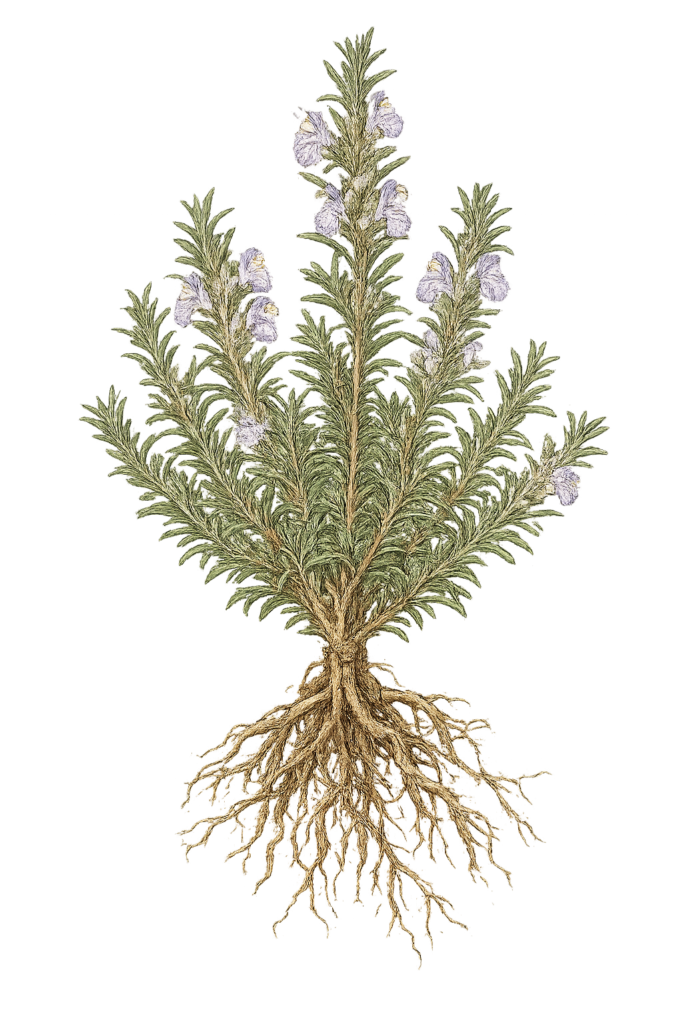
Rosemary (Salvia rosmarinus) has longstanding associations with remembrance, memory and fidelity. Historical sources record rosemary’s presence at weddings and funerals, while university horticultural sources also document its ancient association with remembrance.
Used extensively throughout ancient Greece, Rome, and Elizabethan England, rosemary was burned in sickrooms to disinfect the atmosphere and woven into wreaths to ward off malevolent spirits and night terrors. Rosemary also has a genuine history of fumigation. Drexel University notes its early ritual use, including as cleansing incense, while historical accounts from Scotland describe rosemary, juniper and frankincense being burned because people believed aromatic smoke could counter dangerous “miasmas“.
- Spiritual Profile: Highly protective and mentally clarifying. Rosemary clears mental fatigue, sharpens intuition, and forms a bright, defensive perimeter around living areas and spiritual tools.
- Scent: Crisp, pine-like, and invigorating.
Modern spiritual practice has expanded these associations into:
- Protection
- Mental clarity
- Remembrance
- Cleansing
- Focus
- Renewal
When to Use Rosemary
Rosemary works particularly well symbolically before:
- Studying
- Meditation
- Tarot or oracle readings
- Journaling
- Intention-setting
- Beginning a new project
An appropriate intention might be: “May I release distraction and approach what follows with clarity and purpose.”
Ior a more in-depth article read my post Rosemary (Salvia rosmarinus): Botanical & Spiritual Guide
Lavender (Lavandula angustifolia)
Traditional or Modern Association: Peace and Relaxation
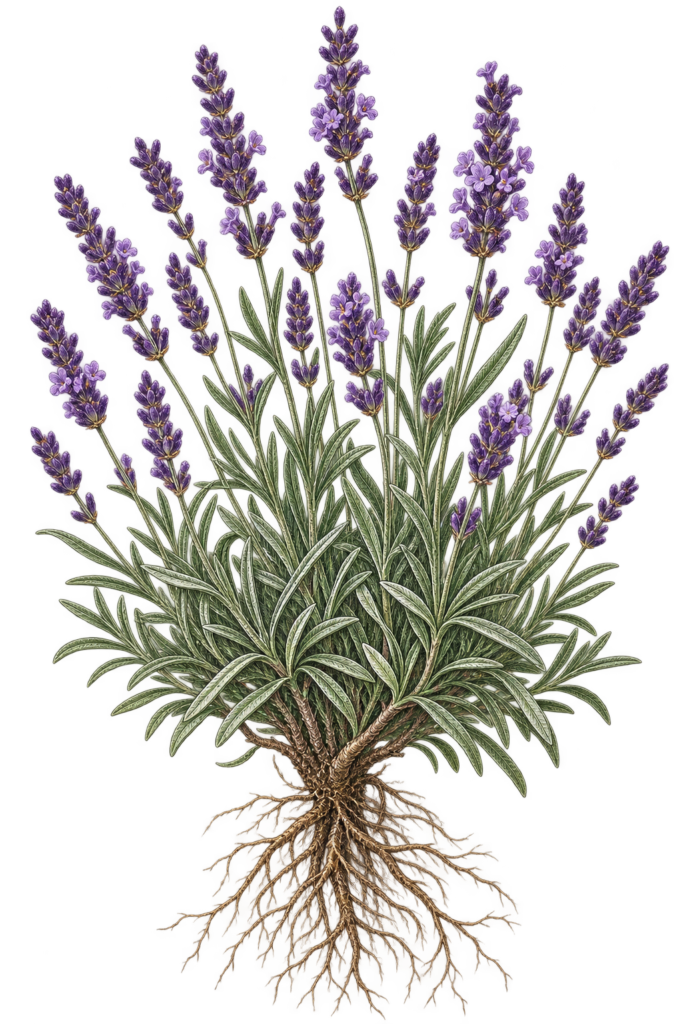
Valued by the Romans as a bath additive and later adopted across medieval monastic gardens, lavender has long served as a botanical symbol for tranquillity, emotional soothing, and gentle spiritual protection.
- Spiritual Profile: Dissolves tension, anxiety, and interpersonal friction. Cleansing with lavender invites restful sleep, emotional healing, and a calm, harmonious atmosphere suitable for meditation and evening wind-down rituals.
- Scent: Sweet, floral, and softly herbal.
Lavender is primarily associated today with:
- Peace
- Calm
- Rest
- Harmony
- Emotional balance
- Gentle cleansing
These associations differ somewhat from herbs such as sage or juniper. Instead of symbolically “driving something away”, lavender is often used to create the atmosphere the practitioner wishes to invite after cleansing.
This makes it useful in smoke blends intended for meditation, evening rituals and peaceful spaces.
Research into Afro-Brazilian religious plant use has also documented lavender among aromatic plants used within particular ritual contexts, demonstrating that its ceremonial associations are not limited to contemporary Western wellness culture.
When to Use Lavender
Consider lavender for rituals connected with:
- Meditation
- Preparing for sleep
- Restoring harmony to a room
- Creating a peaceful altar
- Quiet reflection
- Gentle personal cleansing
A simple intention might be: “May this space become peaceful, balanced and still.”
Lavender’s association with relaxation should be treated as a ritual or aromatic association here rather than a promise that burning it will treat stress, anxiety or insomnia.
For more interesting facts and knowledge of Lavender see my post Lavender (Lavandula): Botanical, Historical & Spiritual Guide
Cedar (Thuja / Cedrus)
Traditional or Modern Association: Protection and Grounding
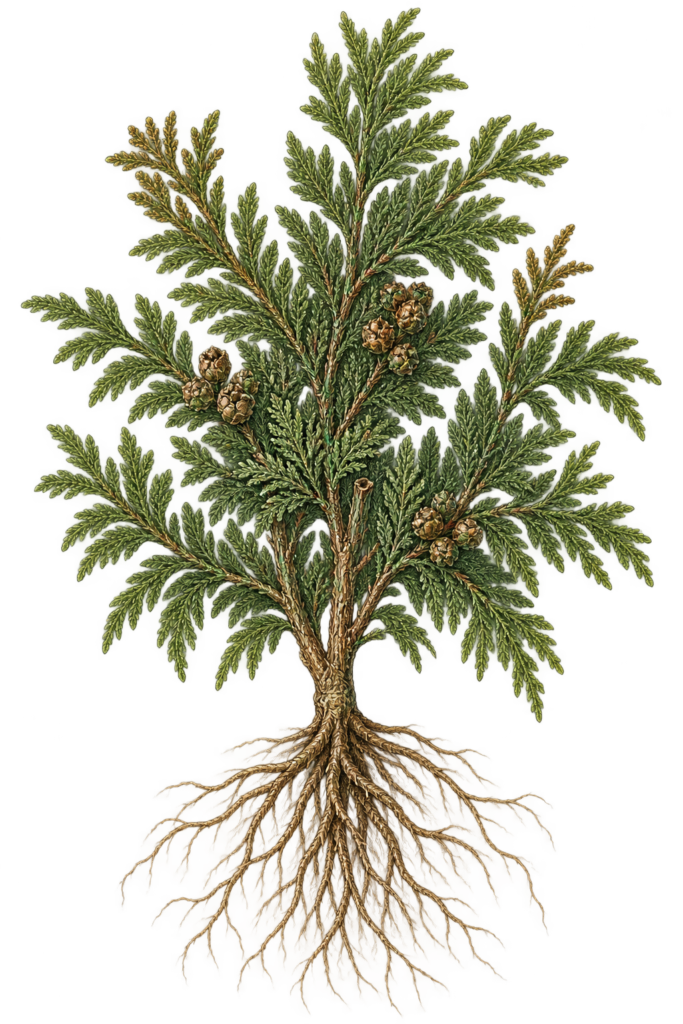
Cedar is revered as one of the four sacred medicines in many North American Indigenous traditions and was used by ancient Sumerians and Egyptians to consecrate sacred architecture and wooden artefacts.
- Spiritual Profile: Known as a deep cleanser and guardian plant. Cedar smoke removes lingering negative energy while actively establishing strong, grounded spiritual protection and blessing new dwellings.
- Scent: Rich, woody, and warm forest evergreen.
Cedar is revered as one of the four sacred medicines in many North American Indigenous traditions and was used by ancient Sumerians and Egyptians to consecrate sacred architecture and wooden artefacts.
- Spiritual Profile: Known as a deep cleanser and guardian plant. Cedar smoke removes lingering negative energy while actively establishing strong, grounded spiritual protection and blessing new dwellings.
- Scent: Rich, woody, and warm forest evergreen.
Association: Protection and grounding
“Cedar” can refer to several different trees and plants, so identifying the actual botanical species is important.
Various cedar-like trees have significant roles in Indigenous North American traditions, while cedars and related conifers have also acquired protective symbolism in other cultures.
Within contemporary smoke-cleansing practice, cedar is generally associated with:
- Protection
- Grounding
- Stability
- Strength
- Home
- Boundaries
Its woody aroma also makes it symbolically different from lighter floral materials such as lavender.
When to Use Cedar
Cedar is often chosen when the intention centres on establishing rather than merely cleansing.
For example:
Cleanse → establish boundary → ground the space.
It may therefore suit:
- New-home rituals
- Doorway and threshold cleansing
- Altar preparation
- Grounding rituals
- Protective intention-setting
- Beginning a new phase of life
If you want to understand more about Cedar’s property’s and historical use see my article Essential Cedar: Botanical Overview and Key Species
Juniper (Juniperus communis)
Traditional or Modern Association: Cleansing and Protection
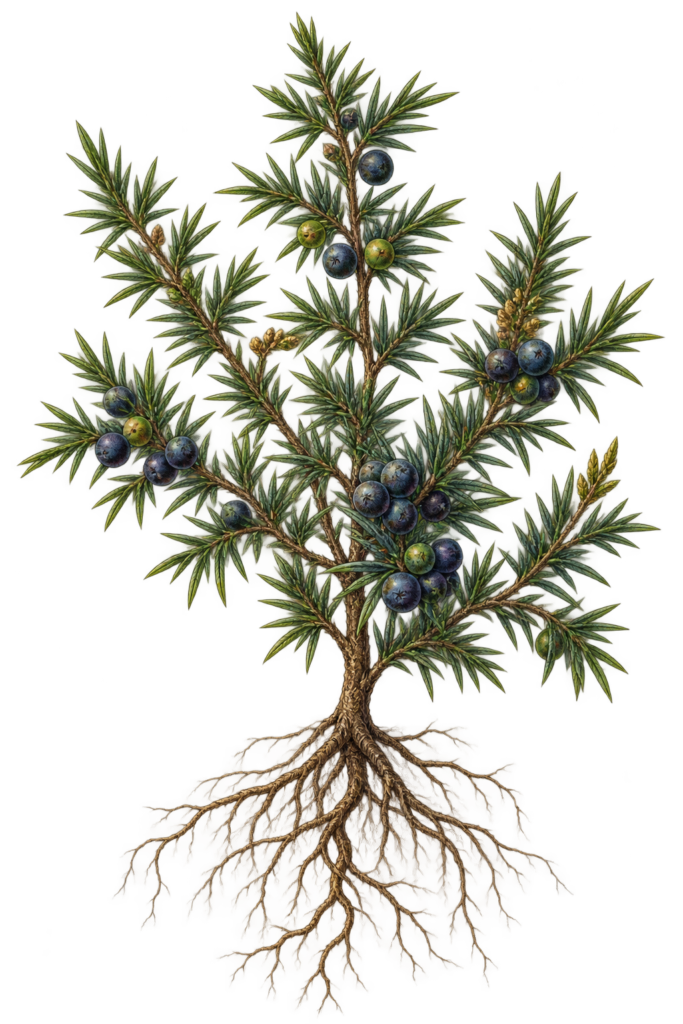
Juniper is central to the traditional Scottish Highland practice of saining, where bundles of dried juniper boughs were smouldered on Quarter Days (such as Samhain and Beltane) to purify the household, livestock, and hearth.
- Spiritual Profile: Powerful banishing and psychic shield. It dispels heavy negativity, drives out parasitic energetic attachments, and restores a sense of safety and spiritual fortification.
- Scent: Fresh, resinous, and crisp pine with peppery undertones.
Juniper has particularly strong connections with fumigation and protective folklore.
Its aromatic branches have historically been burned in parts of Europe. Scottish ethnobotanical accounts specifically refer to the former practice of fumigating houses with juniper leaves.
During periods of plague, people also burned strongly aromatic plants including juniper, rosemary and frankincense because prevailing medical theories held that disease could be transmitted through corrupted or foul-smelling air.
These historical practices should not be mistaken for effective infection control, but they demonstrate that juniper’s association with cleansing smoke is considerably older than modern crystal and New Age practices.
Its symbolic associations now include:
- Cleansing
- Protection
- Purification
- Strength
- Boundaries
- Removing unwanted influences
When to Use Juniper
Juniper is particularly appropriate for:
- Home cleansing
- Threshold rituals
- Seasonal cleansing
- Protective rituals
- Resetting a room
- Symbolically marking a fresh beginning
For people interested in British and northern European traditions, juniper provides an interesting alternative to imported cleansing plants. To learn more my post Learn about Juniper Mystical Properties: Origins, Folklore and Uses with a lot of additional information.
Mugwort (Artemisia vulgaris)
Traditional or Modern Association: Intuition and Divination
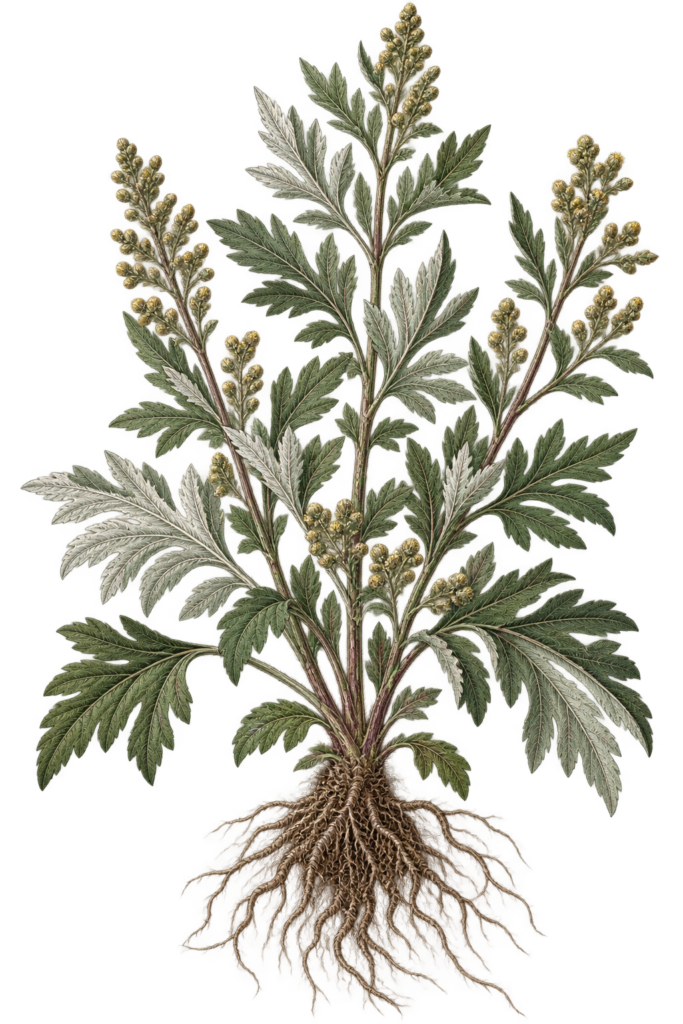
Named after Artemis, the Greek goddess of the hunt and moon, mugwort has centuries of folk associations with lucid dreaming, psychic sight, and protective European amulets. In Traditional East Asian Medicine, mugwort is the primary botanical used for therapeutic moxibustion.
- Spiritual Profile: Heightens extrasensory perception and prepares the subconscious for divination. It is the premier herb for cleansing tarot decks, crystal scrying spheres, and pendulums before intuitive readings.
- Scent: Sweet, heavy, and deeply herbaceous.
Mugwort (Artemisia vulgaris) occupies a different place in modern spiritual practice.
Rather than being principally associated with clearing a room, it is strongly linked with:
- Dreams
- Intuition
- Divination
- Psychic symbolism
- Vision
- Lunar practices
Kew identifies Artemisia vulgaris as a Eurasian and North African species with a long history of social and medicinal use. Other ethnobotanical accounts document spiritual folklore surrounding the plant as well as contemporary associations with dreams and lucid-dream practices.
When to Use Mugwort
In contemporary metaphysical practice, mugwort is often selected before:
- Tarot readings
- Oracle readings
- Pendulum work
- Dream journaling
- Meditation
- Divination
- Intuitive practices
An intention might be: “May I approach this practice with awareness, discernment and an open mind.”
Mugwort shouldn’t be presented as scientifically proven to cause prophetic dreams, unlock psychic abilities or make divination more accurate. However, if you want too read more about Mugwort I have a more extensive Mugwort Botanical Overview & Key Species
Thyme (Thymus vulgaris)
Traditional or Modern Association: Courage and Purification
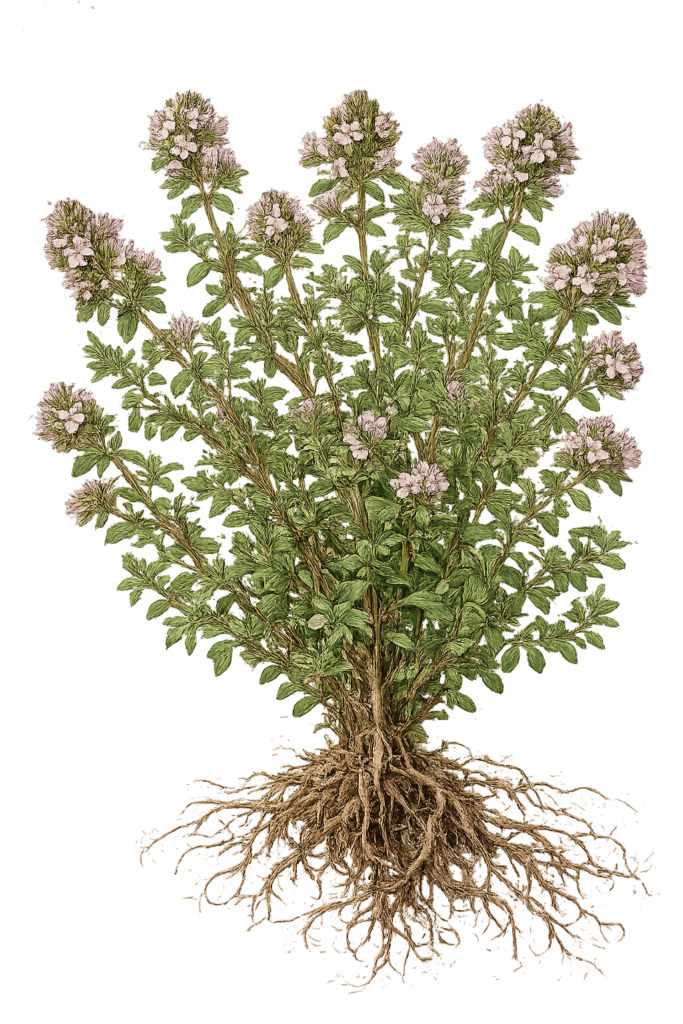
Ancient Greek soldiers bathed in thyme infusions and burned it in temples to invoke valour and strength. In medieval Europe, sprigs of thyme were placed beneath pillows to prevent nightmares and ward off melancholy.
- Spiritual Profile: Transmutes grief, sluggishness, and timidity into resolute strength. Thyme clears residual energetic fatigue following illness or emotional distress, restoring vibrancy and spiritual confidence.
- Scent: Warm, spicy, and green-herbal.
This provides a genuine historical foundation for the modern associations of:
- Courage
- Purification
- Strength
- Vitality
- Protection
- Confidence
When to Use Thyme
Thyme can symbolically accompany:
- Starting something difficult
- Preparing for an important conversation
- New beginnings
- Cleansing a ritual area
- Personal empowerment rituals
- Releasing fear
A suitable intention might be: “I release hesitation and move forward with courage and clear purpose.” Thyme is a particularly good example of a modern spiritual association that has recognisable parallels in ancient Mediterranean tradition. More information can be found in my article Learn about Thyme (Thymus vulgaris) its history and uses
Bay Leaf (Laurus nobilis)
Traditional or Modern Association: Protection and Intention
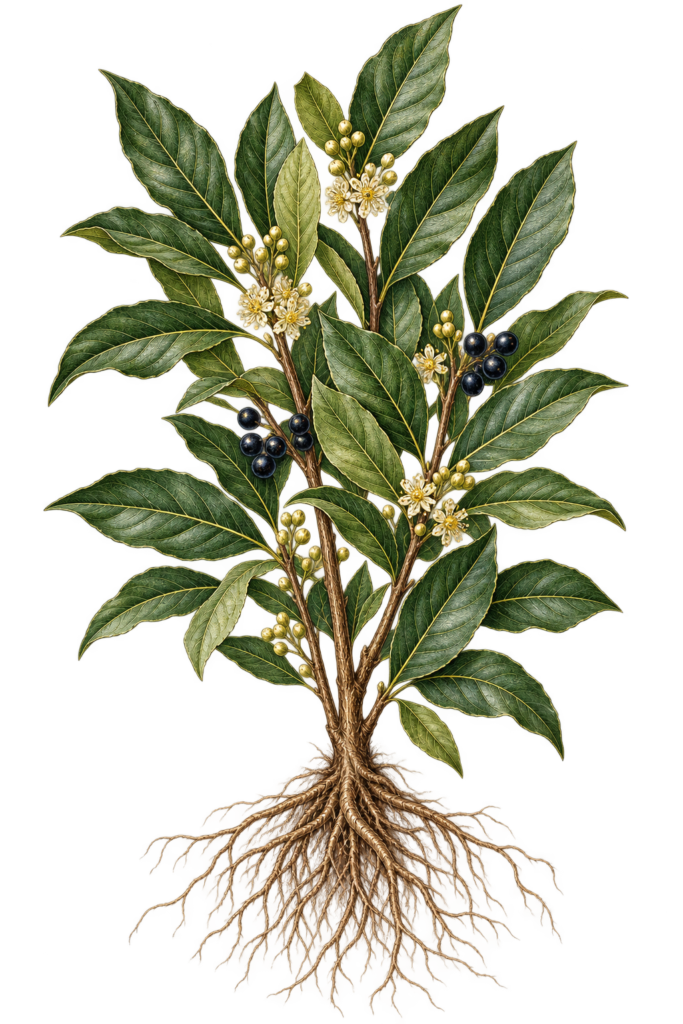
Sacred to Apollo in classical antiquity, bay laurel leaves were crowned upon victors, scholars, and oracles at Delphi. Folk traditions often involve writing personal wishes directly on dried bay leaves before releasing them into the fire.
- Spiritual Profile: Amplifies focused manifestation, cleanses psychic static, and establishes strong energetic boundaries. Burning bay directs intentional willpower while clearing lingering negativity from sacred altars.
- Scent: Warm, dry, sweet, and lightly spiced.
Bay or bay laurel (Laurus nobilis) carries powerful symbolism inherited from the ancient Mediterranean world.
Laurel became associated with Apollo, victory, achievement, prophecy and status. The laurel wreath remains one of the most recognisable symbols inherited from the classical world.
Modern spiritual practices commonly extend these associations towards:
- Protection
- Success
- Intention
- Manifestation
- Achievement
- Divination
One historical source also records bay leaves being used in fumigation because their aroma was believed to ward off disease-causing contamination, although such historical medical ideas should not be interpreted as modern health advice.
Bay and Intention Rituals
Modern practitioners sometimes write a word or intention onto a dried bay leaf before burning it. For example:
- Confidence
- Protection
- New beginning
- Focus
- Success
The burning leaf then becomes a symbolic act of releasing or activating the intention.
Be careful: dry bay leaves can ignite rapidly rather than merely smoulder. If burning them, use a suitable fireproof container and keep your face and hands away from sudden flames. There are more details in my article Bay Leaf history and mystical properties
Sweetgrass (Hierochloe odorata)
Traditional or Modern Association: Indigenous Ceremonial Significance
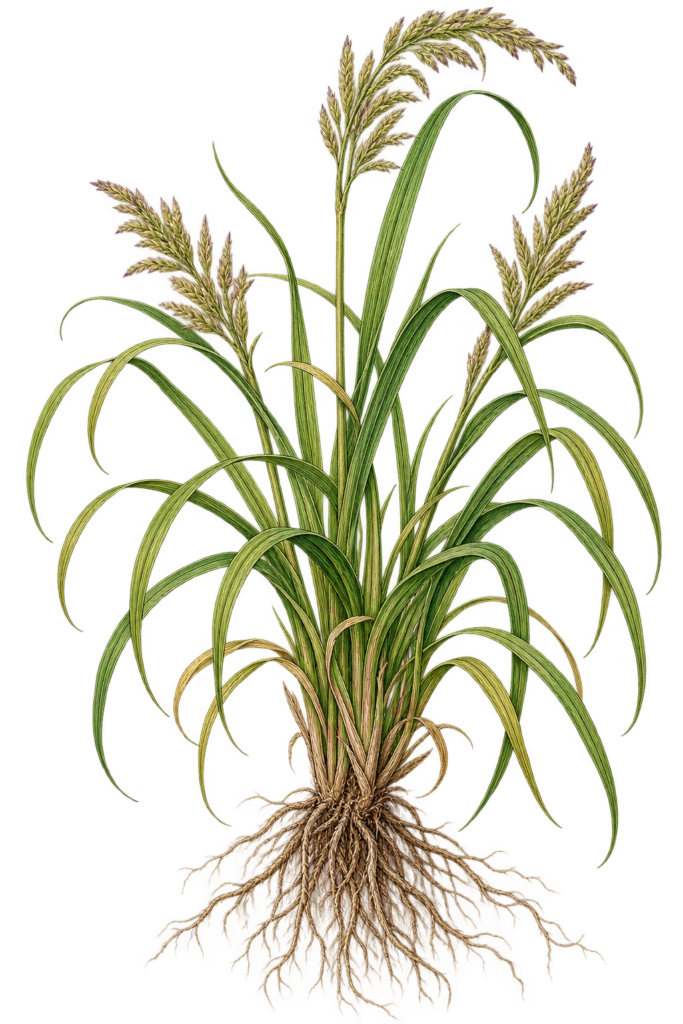
Known as the “hair of Mother Earth,” sweetgrass is one of the four sacred plants of many First Nations and Plains tribes across North America, traditionally harvested and braided with reverence.
- Spiritual Profile: Unlike cleansing herbs that banish stagnation, sweetgrass is smudged after purification to invite positive spirits, kindness, harmony, and divine blessing into a cleared space.
- Scent: Warm, sweet vanilla and freshly mown hay.
Sweetgrass has religious significance to some Native American peoples. It is traditionally used as incense, and its long leaves are also important in basket making. Sweetgrass smoke is used ceremonially for purification and describes braiding traditions in which the strands can carry spiritual meaning.
Spiritual Significance
Depending on the nation and tradition, sweetgrass may be connected with:
- Prayer
- Purification
- Blessing
- Sacred ceremony
- Harmony
- Respect for the Earth
For a longer description of Sweetgrass and its uses see my article Essential History and Uses of Sweetgrass
Palo Santo (Bursera graveolens)
Traditional or Modern Association: South American Spiritual Traditions
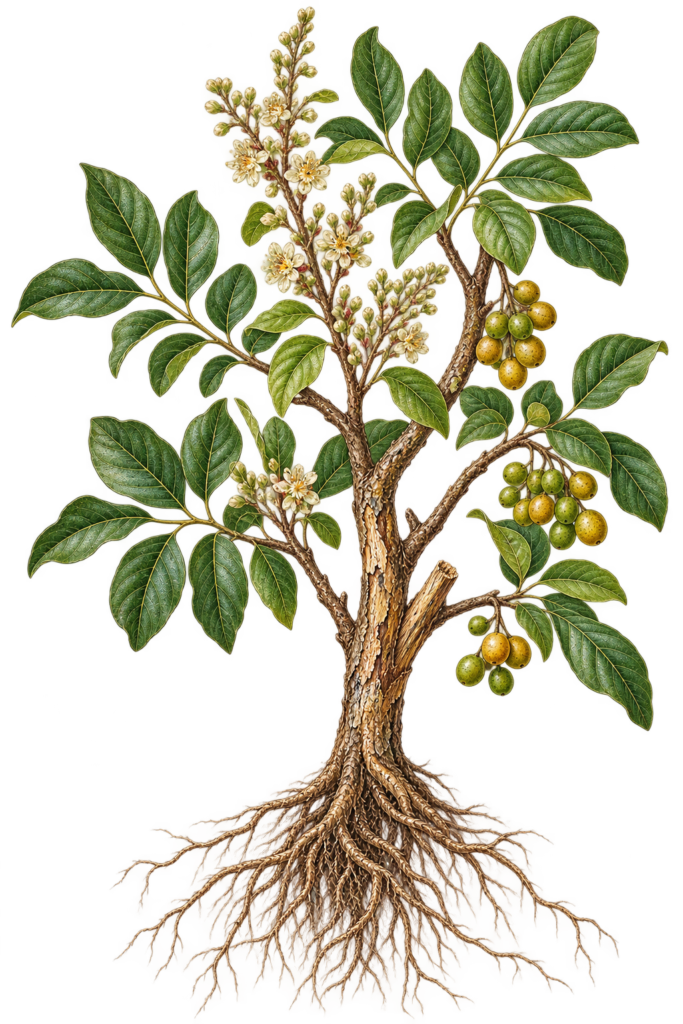
Revered as “holy wood” across the dry tropical forests of Peru, Ecuador, and the Gran Chaco, Palo Santo is used by traditional healers and shamans (curanderos) to clear misfortune (mala energy) and support sacred ceremonies.
- Spiritual Profile: Uplifts mood, purifies personal aura layers, and encourages peaceful creativity. Ethical usage requires sourcing wood exclusively from naturally fallen branches that have cured on the forest floor for several years.
- Scent: Bright, woody, with sweet notes of mint, citrus, and pine.
Palo santo means “holy wood” in Spanish, but the commercial name can refer to more than one botanical species. The material most commonly sold as incense is Bursera graveolens.
It has genuine ethnobotanical connections with parts of South America, particularly Ecuador and Peru.
Research into Indigenous medicine in Ecuador records Bursera graveolens among plants associated with traditional practices, while ethnobotanical sources document its use within cleansing and ceremonial traditions.
Modern associations include:
- Spiritual cleansing
- Protection
- Blessing
- Grounding
- Sacred space
- Removing unwanted influences
Sustainability and Palo Santo
Palo santo has become internationally popular, making sourcing important.
Rather than assuming every stick marketed online as “ethical palo santo” is equivalent, look for:
- Botanical identification
- Country of origin
- Traceable suppliers
- Legally harvested material
- Naturally fallen wood where appropriate
- Evidence supporting sustainability claims
Some regulated Peruvian supply chains specifically use dry, naturally fallen material.
Additional Palo Santo information can be found in my article Palo Santo mystical properties
Frankincense (Boswellia carterii / frereana)
Traditional or Modern Association: Purification and Spirituality
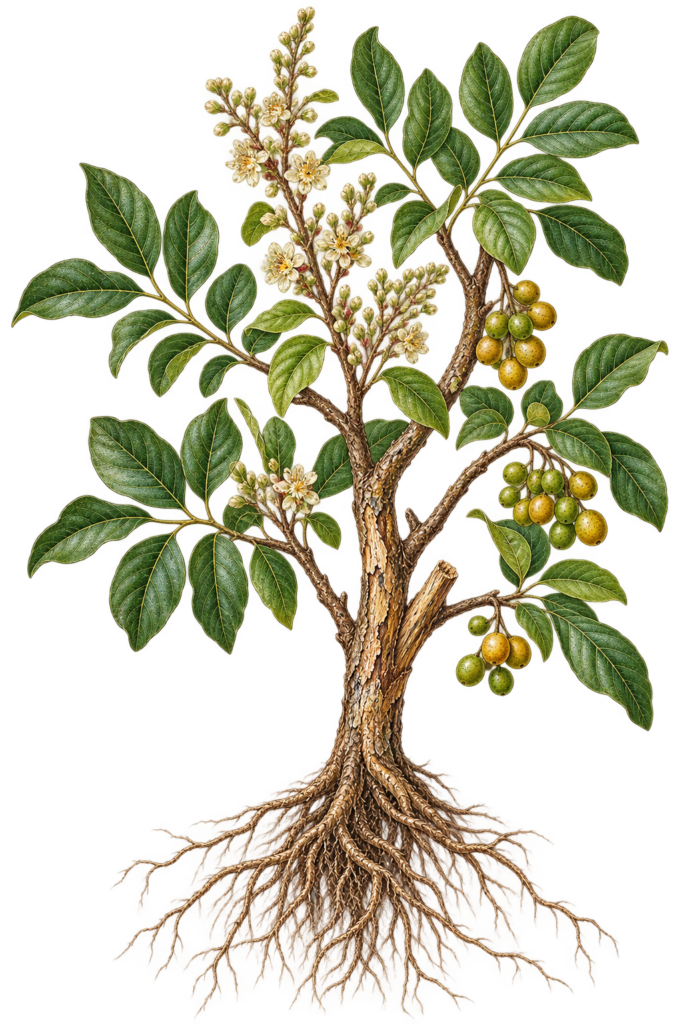
Harvested as hardened tree sap across the Arabian Peninsula and the Horn of Africa, frankincense was traded along the ancient Incense Route and remains a primary ceremonial resin in Orthodox, Catholic, and Vedic traditions.
- Spiritual Profile: Produces a high-vibrational, sanctifying atmosphere. It elevates meditative focus, purifies sacred ritual instruments, and cleanses the energy field of deep spiritual clutter.
- Scent: Rich, resinous, balsamic, and lightly citrus-y.
Few aromatic materials have a better documented ritual history than frankincense. Frankincense is an aromatic gum resin obtained from trees belonging to the genus Boswellia.
The ancient incense trade transported enormous quantities from southern Arabia and neighbouring regions towards Egypt, Mesopotamia, Greece, Rome and the wider Mediterranean world. as an essential component of temple ceremonies and funerary rites across several ancient cultures and identifies frankincense as one of the most prized aromatics of the trade.
The Metropolitan Museum of Art similarly documents frankincense and myrrh being valued for incense and their roles in religious and funerary ceremonies. More interesting information is in my article Frankincense mystical and historic uses
Spiritual Meaning
Its long ceremonial history has contributed to associations with:
- Purification
- Prayer
- Spirituality
- Sacred space
- Meditation
- Blessing
- Religious devotion
Unlike some modern “cleansing herb” claims, the association between frankincense and religious incense is supported by substantial historical and archaeological evidence.
When to Use Frankincense
Frankincense is particularly appropriate for:
- Meditation
- Prayer
- Altar preparation
- Spiritual-tool cleansing
- Creating ceremonial atmosphere
- Beginning or ending a ritual
Resin is traditionally burned on suitable charcoal, but this produces considerably more heat and smoke than an incense stick and requires a proper heat-resistant burner.
Myrrh (Commiphora myrrha)
Traditional or Modern Association: Protection and Sacred Ritual
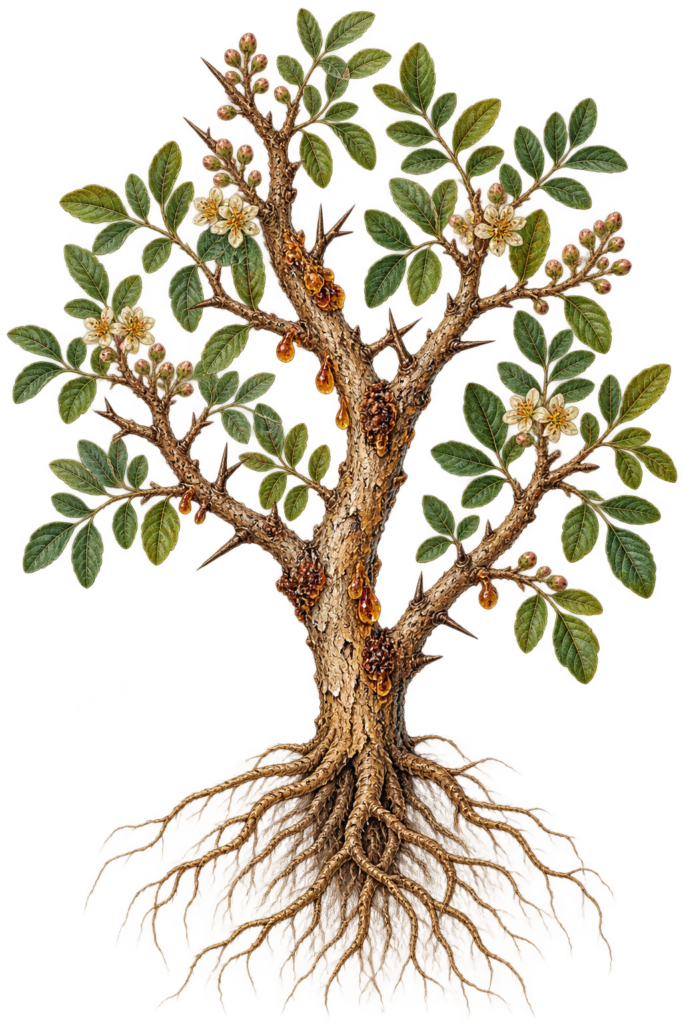
Often paired alongside frankincense in ancient Egyptian embalming, temple rites, and Hebrew consecration oils, myrrh resin represents the deep, grounded earth and spiritual integration.
- Spiritual Profile: Highly protective and grounding. Myrrh anchors ungrounded energy, provides stability during emotional shadow work, and establishes strong defensive wards around homes and sacred altars.
- Scent: Deep, earthy, dark, and slightly bitter-resinous.
Myrrh is another ancient aromatic resin, principally associated with trees of the genus Commiphora.
Like frankincense, it was an important commodity in the ancient Near East used in incense, perfumes, cosmetics, medicines and religious and funerary ceremonies.
Spiritual Meaning
Modern metaphysical traditions commonly associate myrrh with:
- Protection
- Purification
- Sacred ritual
- Spiritual strength
- Consecration
- Reflection
- Connection with ancestors
Some of these meanings are modern interpretations, while its broader association with sacred and funerary ritual has genuine historical foundations.
Choosing the Right Herb for Your Intention
Instead of asking which herb is universally “most powerful”, consider what you want your ritual to represent.
- General cleansing, consider garden sage, rosemary or juniper.
- Protection, consider rosemary, cedar, juniper or myrrh and Frankincense
- Peace, lavender may suit the ritual. Or combine with Rosemary
- Divination, contemporary practitioners often choose mugwort by itself or add rosemary and frankincense
- Courage, thyme has particularly interesting historical associations. Combine with rosemary and bay
- Intention-setting, bay provides a strong symbolic connection with achievement and purpose.
- Prayer or spiritual ritual, frankincense has an exceptionally long documented history.
- Meditation: Frankincense + lavender
These are suggested contemporary combinations, not ancient formulas. You can also perform the ritual sequentially. For example, use rosemary symbolically to clear a space and lavender afterwards to establish a peaceful atmosphere.
Quick reference guide
| Botanical & Species | Primary Spiritual Meaning | Aroma Profile | Best Ritual Application |
| Garden Sage (Salvia officinalis) | Cleansing & Purification | Earthy, savoury, sharp | Everyday home resets, crystals & general space clearing |
| White Sage (Salvia apiana) | Sacred Indigenous Ceremonial | Pungent, herbaceous, strong | Sacred ceremonial prayer & deep purification (source ethically) |
| Rosemary (Salvia rosmarinus) | Protection & Clarity | Crisp, piney, invigorating | Clearing mental fog, warding thresholds, resetting tarot & pendulums |
| Lavender (Lavandula angustifolia) | Peace & Relaxation | Sweet, floral, soothing | Bedrooms, dreamwork, soothing tension & gentle tool clearing |
| Cedar (Thuja / Cedrus spp.) | Protection & Grounding | Rich, woody, forest evergreen | Blessing new spaces, grounding heavy rooms & protective boundaries |
| Juniper (Juniperus communis) | Cleansing & Protection | Resinous, crisp, peppery pine | Traditional Celtic saining, dispelling negativity & psychic shielding |
| Mugwort (Artemisia vulgaris) | Intuition & Divination | Sweet, heavy, herbaceous | Pre-reading tarot cleansing, scrying mirrors, dreamwork & psychic sight |
| Thyme (Thymus vulgaris) | Courage & Vitality | Warm, spicy, herbal | Clearing post-illness stagnation, releasing grief & boosting resolve |
| Bay Leaf (Laurus nobilis) | Protection & Intention | Warm, dry, sweet spice | Manifestation burning, consecration & sealing energetic boundaries |
| Sweetgrass (Hierochloe odorata) | Indigenous Ceremonial Blessing | Warm vanilla, fresh sweet hay | Smudged after cleansing to welcome harmony, peace & positive light |
| Palo Santo (Bursera graveolens) | Upliftment & Holy Wood | Sweet citrus, mint, pine | Aura upliftment, creative flow, gentle clearing (naturally fallen wood) |
| Frankincense (Boswellia spp.) | Purification & Spirituality | Resinous, balsamic, citrusy | High-frequency meditation, sanctifying altars, wands & sacred vessels |
| Myrrh (Commiphora myrrha) | Protection & Sacred Ritual | Deep, earthy, bitter balsamic | Grounding shadow work, cord-cutting integration & defensive wards |
Frequently Asked Questions
Garden Sage (Salvia officinalis): What are its uses in smoke cleansing and its spiritual associations?
Garden Sage is a common culinary sage in Britain and Europe used in contemporary smoke-cleansing practice for purification, prayer, blessing, protection, sacred ceremony, and spiritual preparation. Its spiritual profile is energetically brisk and clearing, helping to reset stagnant domestic vibrations and cleanse air without leaving a heavy energetic void.
White Sage (Salvia apiana) vs Garden Sage: what is the cultural context and how is it used?
White sage is native to Southern California and Baja California and holds deep ceremonial and medicinal significance for Indigenous nations of the region. In modern practice, it is traditionally used in sacred smudging spaces to purify and sanctify participants, with emphasis on ethical sourcing to counter wild poaching and habitat destruction. It should be distinguished from ordinary garden sage in cultural context and usage.
Bay Leaf (Laurus nobilis): how are bay leaves used for intention rituals and what safety notes apply?
Modern practitioners sometimes write an intention on a dried bay leaf before burning it to amplify focused manifestation, protection, or new beginnings. The burning leaf then becomes a symbolic act of releasing or activating the intention. Dry bay leaves can ignite rapidly, so a suitable fireproof container and keeping away from sudden flames are advised.
Rosemary (Salvia rosmarinus): what are its key associations and when should it be used?
Rosemary is traditionally associated with protection, mental clarity, remembrance, cleansing, focus, and renewal. It is particularly appropriate before studying, meditation, tarot or oracle readings, journaling, intention-setting, or beginning a new project, helping to sharpen intuition and create a bright defensive perimeter around living spaces and spiritual tools.
Palo Santo (Bursera graveolens): what are the sustainability considerations and how is it properly described and used?
Palo santo is a South American ceremonial aromatic best presented with clear sustainability claims, identifying botanical species, country of origin, traceable suppliers, legally harvested material, naturally fallen wood where appropriate, and evidence supporting sustainability claims. The wood most commonly sold as incense is Bursera graveolens, and it is used to clear mala energy and support sacred ceremonies, with modern practice emphasising ethical sourcing and cultural context.