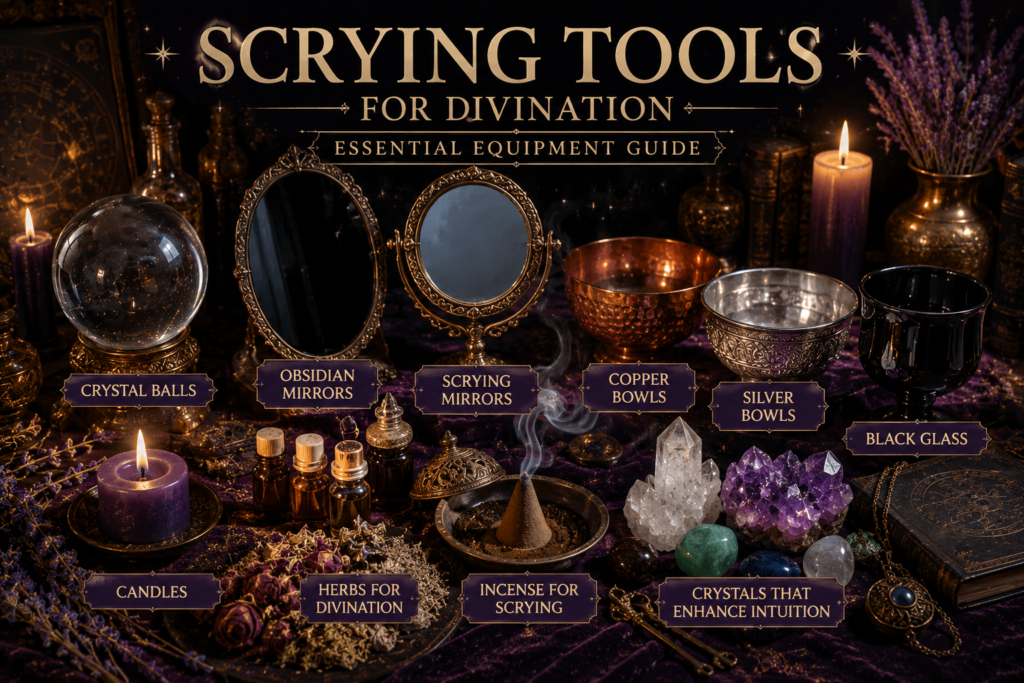
Scrying is an ancient reflective art that bridges the physical world and intuitive perception. By focusing visual attention on a reflective surface, the conscious mind quietens and visions surface. Scrying Tools for Divination act as physical anchors for focus and energetic conductors for intention. Each vessel, stone, element, and flame carries its own vibrational frequency. These frequencies help tune your mind to subtle wavelengths of insight.
Whether utilising light-reflecting metals, dark absorbing stones, or the soft flicker of firelight, the right tool transforms a simple exercise. It becomes a profound portal for spiritual insight and self-discovery.
Crystal Balls
Gazing into a crystal sphere, traditionally known as crystallomancy is one of the most iconic forms of divination. The practice relies on using the unique physical properties of the sphere to quiet the conscious mind and open a conduit for symbolic visions and intuitive foresight. As their name implies they are typically crafted from clear quartz, lead crystal, or glass. Crystal balls are believed to be spherical conduits that refract light and offer a multi-dimensional visual field.
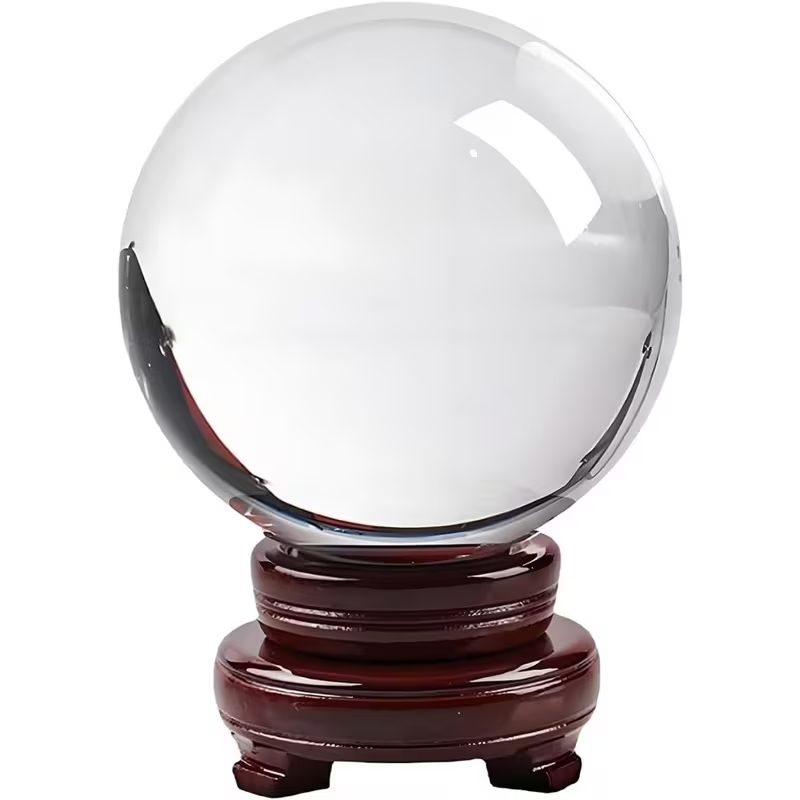
Their usage dates back to ancient Celtic Druids, who used clear beryl or quartz spheres for divination. During the Renaissance and Victorian era, crystal balls became the ultimate symbol of fortune-telling, transitioning from scholarly magical tools to popular mediumship accoutrements in spiritualist seances.
Jeane Dixon, one of America’s most famous 20th-century astrologers and psychics, famously used a clear quartz crystal ball to deliver predictions to high-profile politicians, including US Presidents.
Jeane Dixon, one of America’s most famous 20th-century astrologers and psychics, famously used a clear quartz crystal ball to deliver predictions to high-profile politicians, including US Presidents.
Crystal balls are available in different versions to support a specific need.
Natural Quartz Spheres: Feature inner inclusions, veils, and rainbows that act as focal points for vision.
Optical Clear Glass/Lead Crystal: Completely clear, free of internal imperfections, offering a seamless depth field.
Coldred Crystal Spheres: Varieties like Smoky Quartz (grounds energy) or Rose Quartz (focuses on emotional/love scrying).
Using a crystal ball for scrying enhances mental clarity, amplifies spiritual energy and provides an all-directional focal point ideal for long-term practice and deep meditation.
Obsidian Mirrors
Obsidian mirrors are typically Hand-carved and polished discs made from volcanic obsidian glass. These have been revered since ancient Mesoamerican times for their pitch-black, highly reflective surfaces.
Civilisations like the Olmec, Maya, and Aztec, used obsidian mirrors were central their religious practices and military rituals. Conquistadors shipped these mirrors back to Europe in the 16th century, where Renaissance occultists adapted them for spirit communication, shadow work, and angel scrying.
Dr. John Dee, court astrologer and scientific advisory to Queen Elizabeth I, famously used an Aztec obsidian mirror (currently housed in the British Museum) alongside scrier Edward Kelley to channel angelic language.
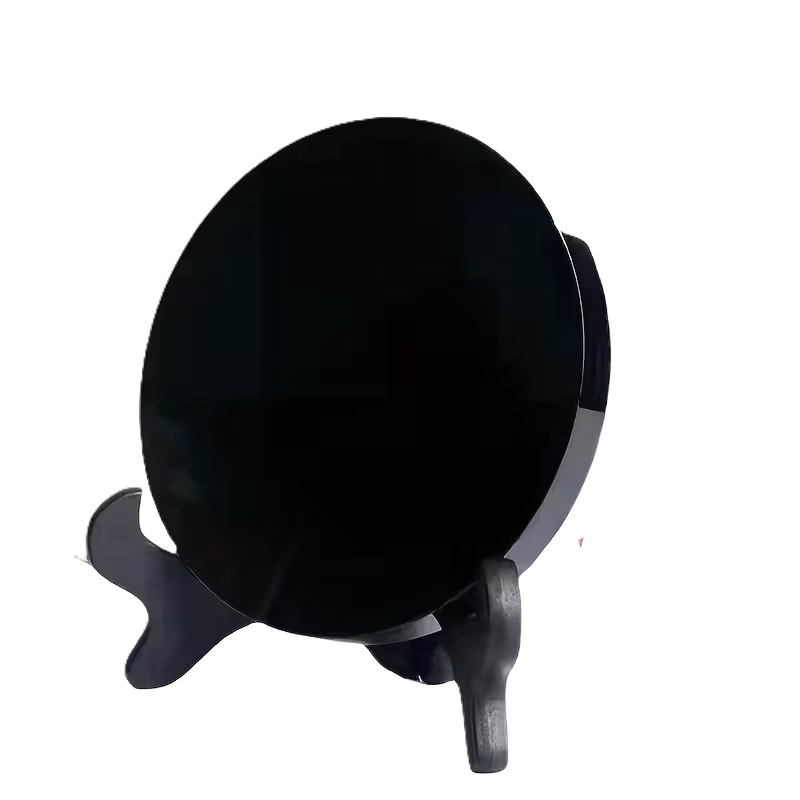
There are three very simple versions of Obsidian scrying mirrors:
- Classic Flat Circular Mirrors: Polished disc-shaped slabs with clean, sharp focal planes.
- Concave Obsidian Mirrors: Curved inward to bend incoming light, creating an intriguing optical depth that distorts reflections faster.
- Golden/Mahogany Obsidian Discs: Feature natural metallic lustre or reddish undertones that add warmth to the dark canvas.
There are three very simple versions of Obsidian scrying mirrors:
- Classic Flat Circular Mirrors: Polished disc-shaped slabs with clean, sharp focal planes.
- Concave Obsidian Mirrors: Curved inward to bend incoming light, creating an intriguing optical depth that distorts reflections faster.
- Golden/Mahogany Obsidian Discs: Feature natural metallic lustre or reddish undertones that add warmth to the dark canvas.
Obsidian absorbs negativity, acts as a protective shield during deep trance work, and facilitates honest, uncensored glimpses into the subconscious.
Scrying Mirrors
Scrying mirrors is a general terms for all mirrors used for scrying. Although, modern common use mainly refers to to darkened glass surfaces, often backed with black lacquer, dark paint, or felt. These are designed to eliminate crisp reflections and create an ambiguous, shadow filled depth.
Mirror scrying is historically known as catoptromancy, and originally practised by ancient Greeks, and Romans and then medieval witches. In the 19th century, black mirrors were built into wooden boxes or frames and kept covered to preserve their energetic charge when not in use.
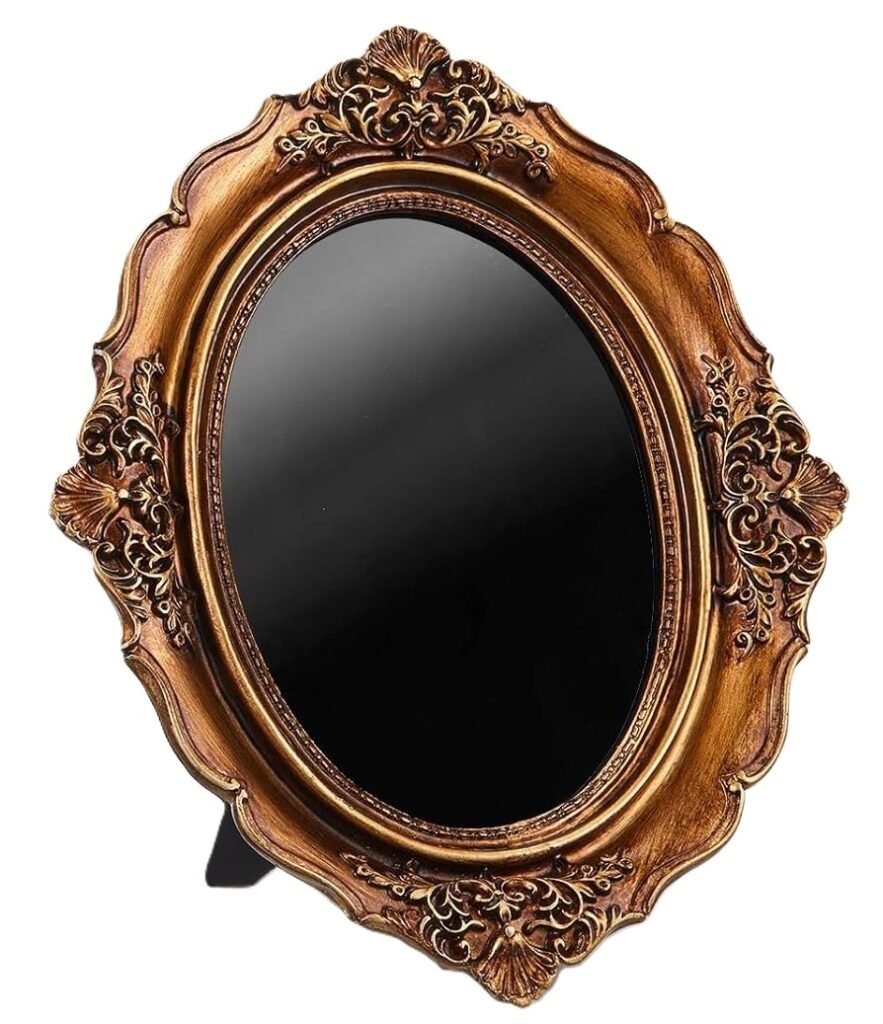
There a several variants of scrying mirrors
- Concave Black Mirrors: Invert images and curve ambient light to create a floating depth effect.
- Framed Picture Glass Mirrors: DIY or artisan mirrors where standard picture frame glass is painted black on the reverse side.
- Magickal Shadow Boxes: Black mirrors built into closable wooden cases to protect the surface from ambient light and dust.
Inexpensive yet highly effective, these mirrors lower visual distraction, allowing intuitive imagery to project smoothly onto the neutral surface.
Copper Bowls
Water scrying (hydromancy) using metal vessels is one of the oldest forms of divination, dating back to ancient Mesopotamia and Greece. In traditional British folk magic, copper basins were frequently used to read shapes formed by oil, wax, or ink dropped onto the water surface.
- Copper bowls with their warm reflective qualities offering a warm metallic lustre are chosen for scrying because of their traditional associations:
- Venus Connection: Copper is traditionally linked to the planet Venus, representing love, beauty, and emotional intuition in various magical traditions.
- Energy Conductor: Esoteric practices view copper as a strong physical and spiritual conductor of energy.
- Warm Reflections: When filled with still water, copper creates a soft, warm glow instead of the stark reflection of silver or steel.
- Trance Induction: The gentle contrast between the reddish metal and the dark water helps practitioners quiet the conscious mind and enter a light meditative trance.
Cecil Williamson, founder of the Museum of Witchcraft and Magic in Cornwall, collected and documented traditional West Country witch tools, including copper scrying basins used for “drawing down the moon”.
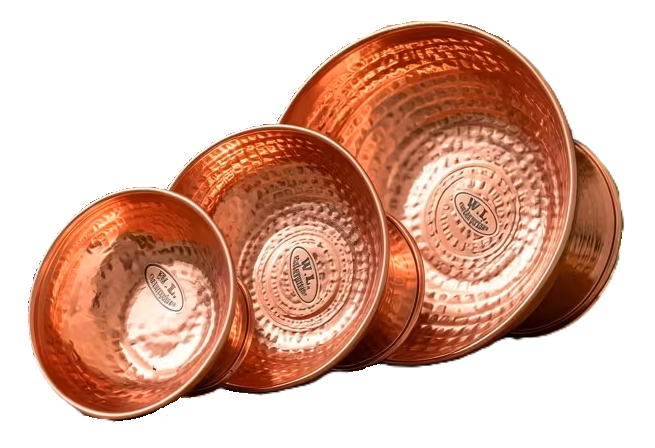
There are several types of copper bowl used in scrying
- Blackened Copper Bowls: Chemically oxidised or dark-lined copper interiors to combine water scrying with black-mirror contrast.
- Engraved Ritual Basins: Inscribed with astrological symbols, planetary seals, or protective runes along the inner rim.
- Hammered Raw Copper Bowls: Feature textured surfaces that break light into complex patterns across the water.
Copper is a powerful conductor of energy that balances emotional currents and amplifies the fluid intuition associated with water divination.
Silver Bowls
Using silver bowls for scrying is part of a three way belief in Silver, the moon and water energies. Silver is symbolically tied to the moon which s linked to scrying because it symbolises intuition, provides natural night illumination and as people know the moon pulls the ocean tides. Because water scrying uses bowls of liquid, practitioners see a direct elemental tie between lunar cycles and the shifting water surface,
A polished silver surface or a silver object placed inside a water bowl increases the reflective depth of the liquid, helping the mind slip into a trance.
Silver is a powerful, broad-spectrum antimicrobial and antibacterial agent that kills bacteria, fungi, and viruses by releasing biologically active silver ions. In the ancient world silver was used in used in medical dressings and creams to treat burns and prevent severe infections. It was also used extensively for Water Purification in filters and storage containers to disinfect drinking water safely.
Silver scrying bowls were used specifically for nocturnal divination in ancient Mediterranean, Egyptian and Hellenistic rituals. In the Greek classical records there are references to the priestesses at the Oracle of Delphi utilising silver chalices and bowls filled with spring water to interpret prophetic signs.
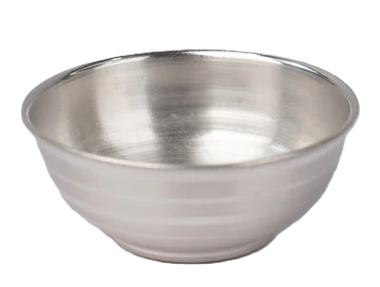
There are three variations of silver bowls that are typically used:
- Sterling Silver Bowls: High-purity silver vessels with maximum mirror reflectivity when filled with dark liquids or clear water.
- Silver-Plated Chalices: Portable, elevated vessels ideal for single-practitioner altar setups.
- Moon-Water Bowls: Specially dedicated silver dishes kept specifically for outdoor night-time scrying sessions.
Silver carries strong psychic and receptive energies, making it exceptional for heightening sensitivity, emotional healing, and lunar alignment.
Black Glass
Black glass serves as an ideal scrying medium because it absorbs light and minimises visual stimuli, creating a sensory deprivation effect that allows the subconscious mind to project intuitive images and visions. Whether you use a manufactured black mirror glass or natural volcanic black glass (obsidian), this dark medium offers several distinct benefits for divination:
Unlike clear crystals that refract light, black glass absorbs light to eliminate distracting glare and background reflections. Smooth sheets or concave plates of jet-black stained glass that offer a deep, velvety, non-reflective darkness compared to standard mirrors.
Emerging as a distinct alternative during the 20th century revival of occultism, black glass gained popularity among ceremonial magicians and modern practitioners who wanted the pure obsidian-like depth without the expense or weight of natural volcanic stone.
Doreen Valiente, often referred to as the mother of modern witchcraft, wrote extensively on traditional witch tools and advocated for simple, hand-crafted dark mirrors and black glass for practical scrying.
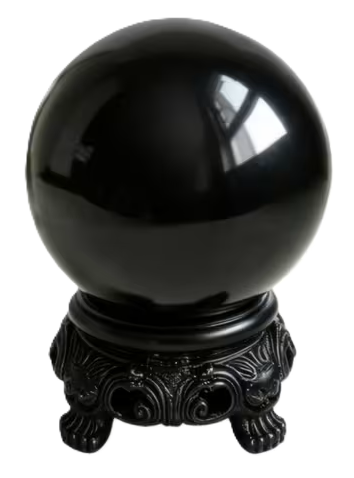
Black glass variants and alternatives :
- Obsidian-Glass Composites: Synthetic glass infused with natural minerals to mimic obsidian optical qualities.
- Polished Black Acrylic/Plexiglas: A lightweight, shatterproof modern variant ideal for travel or outdoor scrying.
- Concave Black Glass Plates: Curved dish-like glass plates that eliminate glare from side lighting.
Candles
Candles help set a meditative focus when scrying because they provide soft illumination, symbolising the element of fire. The choice of candles is vast, ranging from beeswax tapers to spell candles, used either as direct scrying mediums or as ambient light sources for mirrors and water.
The technical name for candle scrying is pyromancy (gazing into flames) and ceromancy (interpreting melted wax), fire scrying is ancient, rooted in early temple hearths, fire rituals, and medieval folk traditions.
The famous 16th-century French astrologer Michel de Nostredame (Nostradamus), , used a combination of candle flame gazing and water-bowl scrying to achieve the trance states in which he wrote his famous Prophecies.
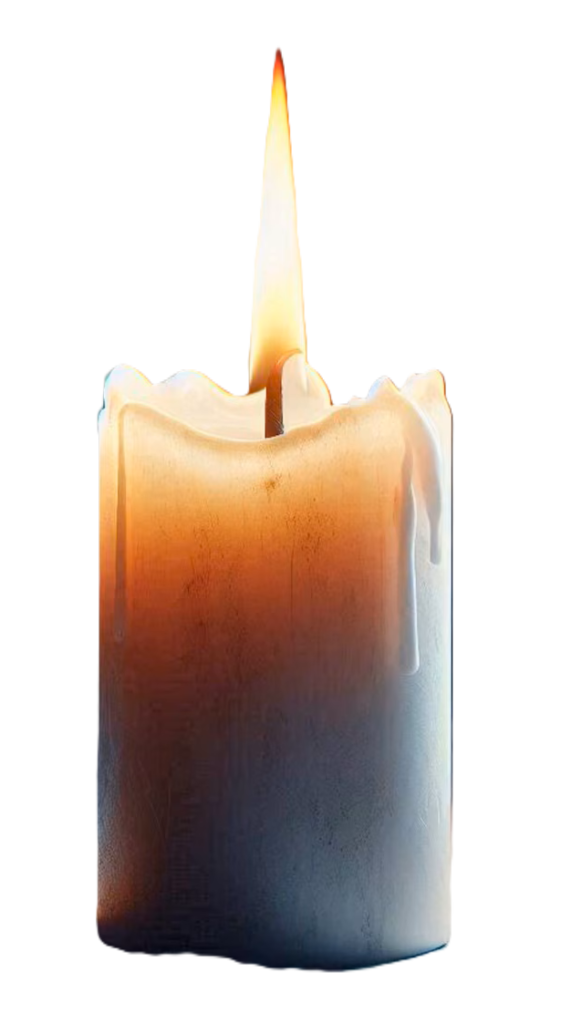
Variants:
- Natural Beeswax Tapers: Burn with a warm, golden glow and release a subtle honey aroma that aids relaxation.
- Black/Dark Scrying Candles: Used in shadow work and dark mirror illumination to prevent excess light glare.
- Herbal-Infused Candles: Crafted with psychic-enhancing herbs like mugwort, lavender, or frankincense built into the wax.
Herbs for Divination
The history of using herbs for scrying spans thousands of years, blending practical chemistry with ritual magic. Historically, scryers did not view herbs as mere decorations; plants were functional tools used to alter consciousness, clear physical blockages, and chemically induce trance states necessary to “see” into other realms.
Historically, practitioners relied on three main methods to integrate herbs into their scrying rituals; Fuming and Trance Induction (Incense), Infusions and Liquid Medium Maintenance plus Oils, Pastes and Ointments
Burning psychoactive or highly aromatic herbs was the most prevalent historical method for scrying. The rising smoke served a dual purpose: the chemical compounds altered the scryer’s brain state, and the moving smoke particles acted as a physical canvas for the visions (a practice known as capnomancy or smoke-gazing
The Delphic Pythia (oracles of Apollo in ancient Greece) famously sat over a chasm inhaling vapours and chewing laurel (bay) leaves to enter prophetic trances before delivering oracular decrees.
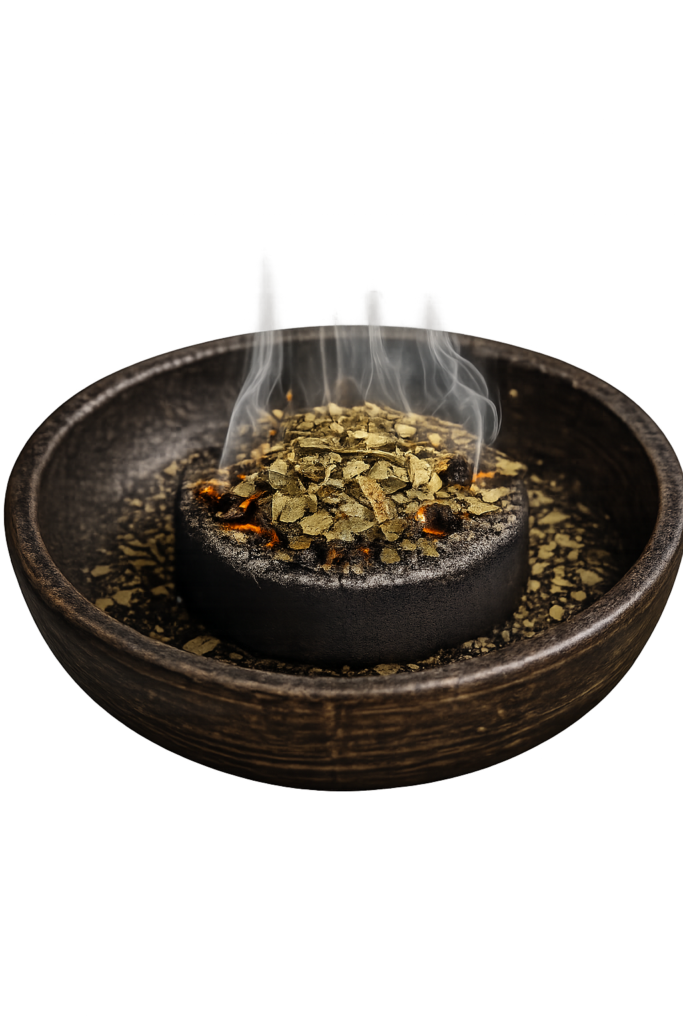
Herbs used for divination and scrying come in several well known forms:
- Dream & Scrying Teas: Infusions of Mugwort and Chamomile taken prior to night sessions.
- Sacred Smudge Packs: Dried bundles of Artemisia species or Bay burnt to clear visual space.
- Herbal Scrying Pillows: Pouches filled with dried herbs placed near the scrying area or under the mattress for dream scrying.
Incense for Scrying
The history of using incense for scrying dates back nearly 4,000 years to ancient Mesopotamia, where diviners first interpreted the shapes, columns, and directions of aromatic smoke to receive messages from the gods. This specific practice of smoke divination is historically known as libanomancy (reading incense smoke) or capnomancy (reading smoke from a fire).
Ancient Origins and Evolution
- Babylonian Period (c. 2000–1600 BCE): The earliest recorded manual on libanomancy originates from Babylonia. Priests sprinkled cedar shavings or resin onto hot coals during sacred ceremonies to observe the smoke patterns.
- Pharaonic Egypt: The practice quickly travelled to Egypt. Egyptians integrated smoke scrying into temple rituals, using rare resins like frankincense, myrrh, and kyphi to communicate with higher entities.
- Classical Antiquity: Ancient Greek and Roman priests adopted the practice. They would burn sacrificial herbs and incense to divine the favour of the gods before battles or political decisions.
- Medieval & Renaissance Occultism: European occultists later revived these ancient Mesopotamian and Mediterranean texts. They codified libanomancy into mainstream grimoires and Western magical practices.
Historical Interpretation Techniques
Diviners treated smoke as a visual alphabet. Detailed cuneiform texts and historical manuals outline specific omens based on how the incense behaved:
| Smoke Behaviour | Historical Interpretation |
|---|---|
| Drifting to the right | Victory over an enemy or a positive outcome. |
| Drifting to the left | A negative omen or being on the wrong path. |
| Clustering or bunching | Financial success or upcoming wealth. |
| Splitting into two columns | An impending loss of sanity or severe confusion. |
| Rising straight and clear | Clarity, direct favour, and prayers answered. |
Beyond the visual shapes, historical practitioners used incense for scrying due to its psychophysical effects:
Atmospheric Contrast: Thick, fragrant smoke provided a shifting visual canvas against dim, candle-lit backdrops. This environment allowed the human eye to perceive symbols via pareidolia (seeing patterns in random data).
Altering Consciousness: Psychoactive resins like frankincense or specific regional herbs induced relaxed, hypnotic states. This shift in brainwaves made it easier for scryers to enter a trance.
Heinrich Cornelius Agrippa, the influential 16th-century German polymath and occult writer, documented specific astrological resin blends for invoking spirits and enhancing visual clairvoyance in his Three Books of Occult Philosophy.
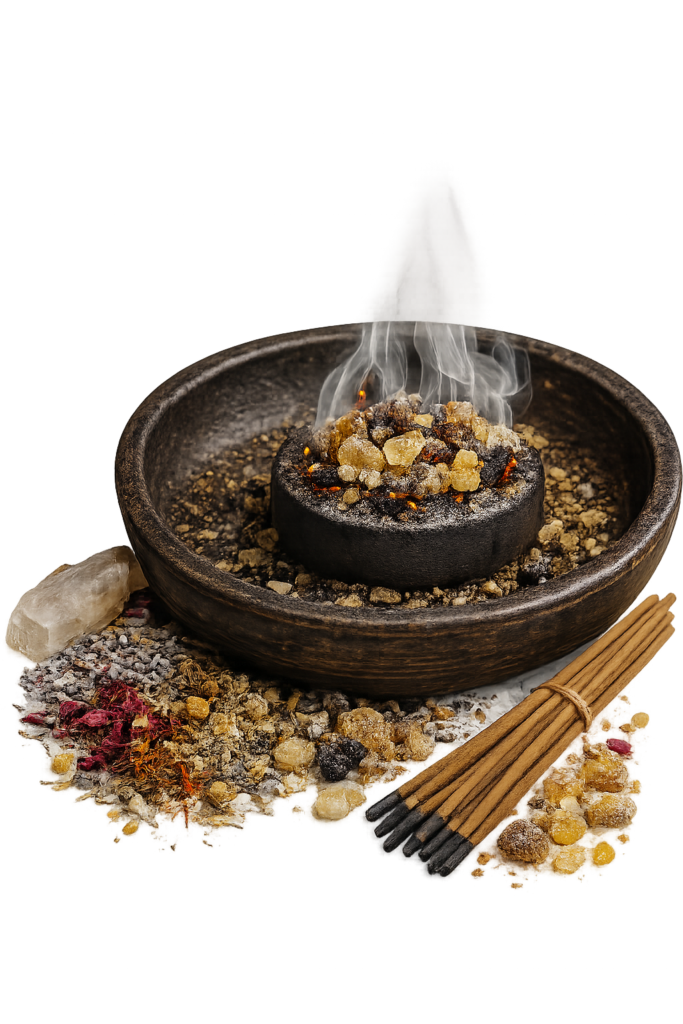
There is a variety of natural items that can be used for incense scrying:
Raw Resin Chunks on Charcoal: Produces thick, billowy smoke clouds ideal for seeing shapes.
Hand-Rolled Herbal Incense Sticks: Offers a steady, thin line of smoke for detailed, subtle smoke reading.
Loose Botanical Scrying Blends: Custom mixes of resins, leaves, and essential oils tailored to specific planetary intentions.
Crystals That Enhance Intuition
The history of crystals for scrying spans thousands of years, originating with ancient Egyptian, Celtic, Roman, and Asian traditions before evolving into Renaissance magic and Victorian parlour pastimes. Scrying, the practice of gazing into a reflective or transparent surface to induce vision is formally known in crystal-work as crystallomanc
Using crystals for scrying involves preparing a quiet space, softening your gaze into the stone, and allowing intuitive symbols or messages to rise from your subconscious. They act as energetic stabilisers, shielding the scrier from exhaustion and tuning the mind to receptive frequencies
Clears energetic blockages, activates the third eye and crown chakras, and guards against unwanted energetic interference while scrying.
High-vibration stones such as Amethyst, Labradorite, Selenite, Lapis Lazuli, and Sodalite positioned around or held during a scrying session.
Dr. John Dee (1527–1609): The famous English mathematician and astrologer used a dark-tinted rock crystal sphere (given to him and his medium Edward Kelley purportedly by the angel Uriel) to converse with spirits. This famous smoky-purple quartz sphere remains preserved today in the Science Museum in London.
Variants:
Third Eye Stones (Amethyst & Lapis Lazuli): Placed on or near the forehead during pre-scrying meditation to stimulate inner sight.
Auric Shields (Labradorite & Black Tourmaline): Placed around the scrying mirror or bowl to block external distractions.
High-Vibration Conductors (Selenite & Clear Quartz): Used as wand pointers or bases to amplify the energy of the scrying vessel.
Scrying tools frequently asked questions
What are scrying tools?
Scrying tools are objects or materials used as a focal point during scrying, a traditional form of divination that involves gazing into reflective, translucent or naturally occurring surfaces. These tools help practitioners enter a relaxed, meditative state where symbolic images, intuitive impressions or personal insights may arise. Common examples include crystal balls, black mirrors, bowls of water, candles and smoke.
Which scrying tool is best for beginners?
Beginners often find the following tools easiest to use:
- Crystal balls
- Black glass
- Scrying mirrors
- Candle flames
- Bowls of still water
These tools are inexpensive, easy to obtain and require very little preparation.
Do I need expensive equipment to practise scrying?
No. Scrying can be practised using simple household items such as a bowl of water, a candle, a mirror or a piece of black glass. While handcrafted crystal balls and obsidian mirrors are popular, they are not essential for developing a successful practice.
Are crystal balls made from real crystal?
Some crystal balls are carved from natural Clear Quartz or Rock Crystal, while many modern versions are manufactured from high-quality optical glass. Both are widely used for scrying, and the choice often comes down to personal preference and budget.
Why are crystal balls associated with fortune tellers?
Crystal balls became closely associated with fortune tellers during the nineteenth and twentieth centuries through literature, travelling fairs and popular culture. However, their use in meditation and divination dates back much further and spans many different cultures.
What size crystal ball should I buy?
Most beginners find crystal balls between 80 mm and 120 mm in diameter comfortable to use. Larger spheres provide greater visual depth but are heavier and more expensive, while smaller spheres are easier to transport.
Is natural quartz better than glass?
Many practitioners prefer natural quartz because of its historical and spiritual significance. Others choose optical glass because it is exceptionally clear, free from natural inclusions and usually more affordable. Neither material has been proven scientifically to produce better results.
What is an obsidian mirror?
An obsidian mirror is made from polished volcanic glass that produces a deep black reflective surface. It has been used for divination since ancient Mesoamerican civilisations and remains one of the most respected tools for modern scrying.
What is the difference between an obsidian mirror and a scrying mirror?
An obsidian mirror is crafted from natural volcanic glass, whereas most modern scrying mirrors are manufactured using black-coated glass. Both provide dark reflective surfaces suitable for meditation and symbolic observation.
Why do many practitioners prefer black surfaces?
Dark reflective surfaces reduce visual distractions and minimise external reflections. This allows the eyes to relax more easily and may encourage prolonged concentration during meditation.
Can I use an ordinary household mirror?
Yes. Many people begin practising with an ordinary mirror in dim lighting before investing in a dedicated black mirror or obsidian mirror.
Why are copper bowls used for scrying?
Copper bowls have traditionally been associated with healing, energy and the planet Venus in various esoteric traditions. When filled with still water, they create warm reflections that many practitioners find calming and visually appealing.
Why are silver bowls popular?
Silver has long been symbolically connected with the Moon, intuition and spiritual awareness. A polished silver bowl creates bright reflections and is commonly used during lunar rituals and moonlit scrying sessions.
Can I use any bowl for water scrying?
Yes. While copper and silver bowls have traditional symbolism, any clean bowl with a smooth interior can be used effectively for water scrying.
Why is black glass used instead of obsidian?
Black glass offers a similar visual experience to obsidian but is generally less expensive, more widely available and easier to manufacture with a perfectly smooth finish.
Is candle flame scrying easier than crystal ball scrying?
Many beginners find candle flame scrying easier because the gentle movement of the flame naturally attracts attention and requires very little equipment.
What type of candle works best?
A plain pillar candle or taper candle with a steady flame usually works best. Unscented candles are often preferred, although scented candles may be used if the fragrance supports relaxation rather than becoming distracting.
Can coloured candles improve scrying?
Many spiritual traditions associate different candle colours with specific intentions. For example:
- White for clarity and purification
- Blue for intuition
- Purple for spiritual wisdom
- Green for growth
- Black for protection
These associations are symbolic and vary between traditions.
Which herbs are traditionally used for divination?
Popular herbs include::
- Mugwort
- Sage
- Rosemary
- Lavender
- Bay leaves
- Wormwood
- Hyssop
- Yarrow
Each herb has its own folklore and traditional associations with purification, protection or enhanced intuition.
Is it safe to burn herbs indoors?
Only burn herbs in a well-ventilated area using a suitable heatproof container. Some herbs can produce strong smoke or trigger allergies, so always follow appropriate fire safety precautions.
What incense is commonly used for scrying?
Popular choices include:
- Frankincense
- Myrrh
- Sandalwood
- Dragon’s Blood
- Mugwort
- Lavender
- Copal
- Benzoin
Many practitioners choose fragrances that promote relaxation and concentration.
Can incense be used as a scrying medium?
Yes. Rising incense smoke can itself become the focus of divination in a practice known as capnomancy or smoke scrying, where patterns and movements are interpreted symbolically.
Which crystals are believed to enhance intuition?
Many practitioners favour:
- Amethyst
- Labradorite
- Moonstone
- Clear Quartz
- Fluorite
- Selenite
- Celestite
- Lapis Lazuli
- Iolite
- Charoite
These associations come from spiritual traditions rather than scientific evidence.
- Amethyst
- Labradorite
- Moonstone
- Clear Quartz
- Fluorite
- Selenite
- Celestite
- Lapis Lazuli
- Iolite
- Charoite
These associations come from spiritual traditions rather than scientific evidence.
Where should I place crystals during a scrying session?
Crystals may be arranged around your scrying tool, held during meditation, placed on an altar or positioned nearby to create a calm and intentional ritual space.
These associations are symbolic and vary between traditions.
Do I need to cleanse my scrying tools?
Many practitioners choose to cleanse their tools before first use and periodically afterwards. Traditional methods include moonlight, sound, incense smoke or visualisation. These are spiritual practices rather than scientifically validated procedures.
Can different tools be combined?
Practitioners combine several tools, such as:
- A crystal ball with Amethyst.
- A black mirror with incense.
- A silver bowl with moonlight.
- Candlelight with herbs.
- Water scrying with Clear Quartz.
Experimenting can help you discover which combinations feel most supportive.
Which tool produces the clearest visions?
There is no universal answer. Some people find crystal balls most effective, while others prefer black mirrors, water or candle flames. Personal experience plays a greater role than the specific tool.
Should I dedicate one tool for scrying only?
Many practitioners reserve specific tools exclusively for spiritual work to maintain focus and ritual significance, although this is entirely a matter of personal preference.
How should I store my scrying tools?
Store tools in a clean, dry location away from direct sunlight, excessive heat and dust. Crystal balls should be covered when not in use, as they can focus sunlight and create a fire hazard.
Can crystal balls start fires?
Yes. A crystal ball acts like a powerful magnifying lens. If left in direct sunlight, it can concentrate the sun’s rays enough to ignite nearby combustible materials. Always store crystal balls covered and away from windows.
Can I make my own scrying mirror?
Yes. Many practitioners create homemade scrying mirrors by painting one side of a glass frame with black gloss paint or using specially prepared black glass. Homemade mirrors can be just as suitable for personal practice.
Do different cultures use different scrying tools?
Yes. Throughout history, cultures have used many different materials for divination, including polished stones, bowls of water, sacred springs, metal mirrors, crystals, fire, smoke and naturally reflective surfaces.
Are antique scrying tools better than modern ones?
Not necessarily. While antique tools may have historical or sentimental value, modern tools are often easier to maintain and provide equally suitable reflective surfaces for practice.
Can digital screens be used for scrying?
Some contemporary practitioners experiment with blank tablet or smartphone screens because they create dark reflective surfaces. However, traditional practitioners generally prefer natural materials that are free from electronic distractions.
How do I choose the right scrying tool?
Consider the following factors:
- Your budget.
- Ease of use.
- Portability.
- Traditional symbolism.
- Visual appeal.
- Your personal intuition.
The best tool is often the one that feels the most comfortable and encourages you to practise regularly.
How many scrying tools do I need?
Only one is necessary to begin. As your experience grows, you may wish to explore different tools to discover which medium best suits your style of meditation and intuitive practice.
Can scrying tools improve psychic abilities?
Many practitioners believe these tools help develop intuition by providing a focus for meditation and symbolic interpretation. However, there is no scientific evidence that any scrying tool enhances psychic abilities or supernatural perception.
What is the most important tool in scrying?
Most experienced practitioners would argue that the most important element is not the tool itself but the calm, focused and receptive state of mind you bring to the practice. The equipment simply provides a focal point through which intuition, contemplation and self-reflection can unfold.