Incense sticks have been used for thousands of years across diverse cultures for spiritual practices, meditation, sacred rituals, and everyday aromatic enjoyment. Today, burning incense remains a popular, time-tested method to scent living spaces, mark moments of calm, and create a relaxing home atmosphere.
Understanding the history of incense, how to use it correctly, and how to burn it safely ensures a positive, respectful, and health-conscious experience.
The Ancient Origins of Incense Sticks
The use of aromatic plant materials dates back over 5,000 years. Early historical evidence of incense appears in ancient Egypt, where precious resins like frankincense and myrrh were burned during religious ceremonies, state rituals, and funerary rites to connect with the divine.
Incense also played a central role in early Chinese Civilization, particularly within Taoist and Buddhist traditions. Here, it was used to purify sacred spaces, aid meditation, and even serve as a primitive clock to mark the passage of time.
The Evolution of Agarbatti in India
It was in India where the incense stick as we know it today was truly refined. Traditional Indian incense, commonly called agarbatti, is crafted by coating a thin, split bamboo stick with a paste made from natural ingredients:
- Powdered woods (like sandalwood)
- Natural resins and gums
- Dried herbs, flowers, and spices
- Pure essential oils
Over the centuries, incense became deeply embedded in Hindu rituals (Puja), Ayurvedic medicine, yoga, and daily household worship. From Asia, these aromatic treasures spread along major trade routes into the Middle East and Europe. Today, modern incense sticks are produced globally, ranging from premium, hand-rolled artisanal blends to mass-produced commercial varieties.
How Natural Incense Sticks Are Made
The quality of your aromatic experience depends entirely on what goes into the stick. Traditional, high-quality incense sticks are created using sustainably sourced, natural materials:
- A Bamboo Core: Provides the sturdy structure for the incense paste.
- Aromatic Woods: Sandalwood, agarwood (oud), and cedar form the fragrant base.
- Natural Resins: Frankincense, myrrh, copal, and benzoin add deep, earthy notes.
- Botanicals: Dried herbs, flower petals, and exotic spices.
- Pure Oils: Essential oils or high-grade fragrance oils for a rich aroma.
Tip: When shopping, look for natural incense sticks. Higher-quality incense contains fewer synthetic chemicals, binders, or petroleum-based additives. As a result, they burn much more cleanly and produce a softer, more authentic scent profile.
Step-by-Step: How to Light Incense Sticks Correctly
Lighting incense correctly ensures an even burn, prevents a fire hazard, and allows the true fragrance notes to release gradually without a harsh “burnt” smell.

Secure the Stick
Prerequisite
Place the bamboo end of the incense stick firmly upright or angled into a stable, heat-resistant incense holder or ash catcher.

Ignite the Tip
Coating catches flame.
Hold a match or lighter flame to the coated tip of the stick until it catches fire and burns with a steady flame.

Wait and Blow Out
Transition to smoulder
Let the tip flame burn for about 5 to 10 seconds. Then, gently blow or fan out the flame. The tip should now glow red and release a steady stream of fragrant smoke.

Let it Smoulder
30 to 60 minutes
Allow the incense to burn down naturally. A standard single stick typically lasts between 30 and 60 minutes, depending on its thickness, length, and ingredient composition.
Essential Incense Safety Guidelines
While burning incense is generally safe for most people, practising basic fire safety and respiratory mindfulness is essential.
- Prioritise Ventilation: Always burn incense in a well-ventilated room. Open a window slightly or keep an interior door open to ensure continuous airflow.
- Never Leave It Unattended: Treat a soldering incense stick like an open candle. Extinguish it completely if you plan to leave the room or go to sleep.
- Clear the Area: Keep burning incense far away from flammable materials such as curtains, bedding, books, paper, or loose fabrics.
- Use an Ash Catcher: Ensure your incense holder is wide and long enough to catch all falling hot ash, protecting your furniture from heat damage.
- Keep Away from Pets and Kids: Place your burner on a high, stable surface out of reach of curious children and pets. (Note: Some essential oils can be sensitive to dogs and cats, so monitor them closely).
- Avoid Overuse: Avoid burning multiple sticks simultaneously, especially in small, enclosed rooms like bathrooms or compact bedrooms.
For more information see my post on Top 5 Incense Fragrances and Their Aromatherapy Benefits
And Choosing the Right Incense Holder: A Buyer’s Guide
Incense Sticks Frequently Asked Questions (FAQ)
Incense stick benefits extend beyond just masking odours. Many people use them to enhance mindfulness, reduce stress, deepen meditation, and improve focus during work or study. Scents like lavender and sandalwood are widely recognised for their calming properties, while citrus and frankincense can help uplift energy.
What are the main benefits of burning incense sticks?
Incense stick benefits extend beyond just masking odours. Many people use them to enhance mindfulness, reduce stress, deepen meditation, and improve focus during work or study. Scents like lavender and sandalwood are widely recognised for their calming properties, while citrus and frankincense can help uplift energy.
Is incense smoke bad for your health?
Like any form of smoke, inhaling heavy concentrations of incense smoke over long periods can irritate the respiratory tract. To minimise health risks, always buy high-quality, natural incense sticks instead of cheap synthetic versions, and always burn them in well-ventilated spaces. If you have asthma or severe respiratory conditions, consult your doctor before use.
How do you extinguish an incense stick before it finishes?
f you need to put out your incense early, simply press the glowing red tip firmly against a heat-resistant surface, dip the tip into a tiny bit of water, or snip the glowing end off with a pair of scissors. You can relight the remaining stick later.
What is the difference between Indian agarbatti and Japanese incense?
Indian agarbatti utilises a central bamboo stick core covered in a thick paste of aromatics, resulting in a robust, strong scent throw. Japanese incense (such as senko) is typically solid, coreless, and extruded into sticks without a bamboo centre, offering a more delicate, subtle, and less smoky aroma.
Can burning incense trigger allergies?
Yes, individuals with sensitive sinuses, seasonal allergies, or chemical sensitivities may experience mild irritation, sneezing, or watery eyes from certain incense fragrances. Opting for 100% natural resin or wood-based incense reduces the likelihood of a reaction compared to synthetic perfumes.
Products by Category

Aloe Vera Incense Sticks
£1.50
Angels Touch Incense sticks
£1.50
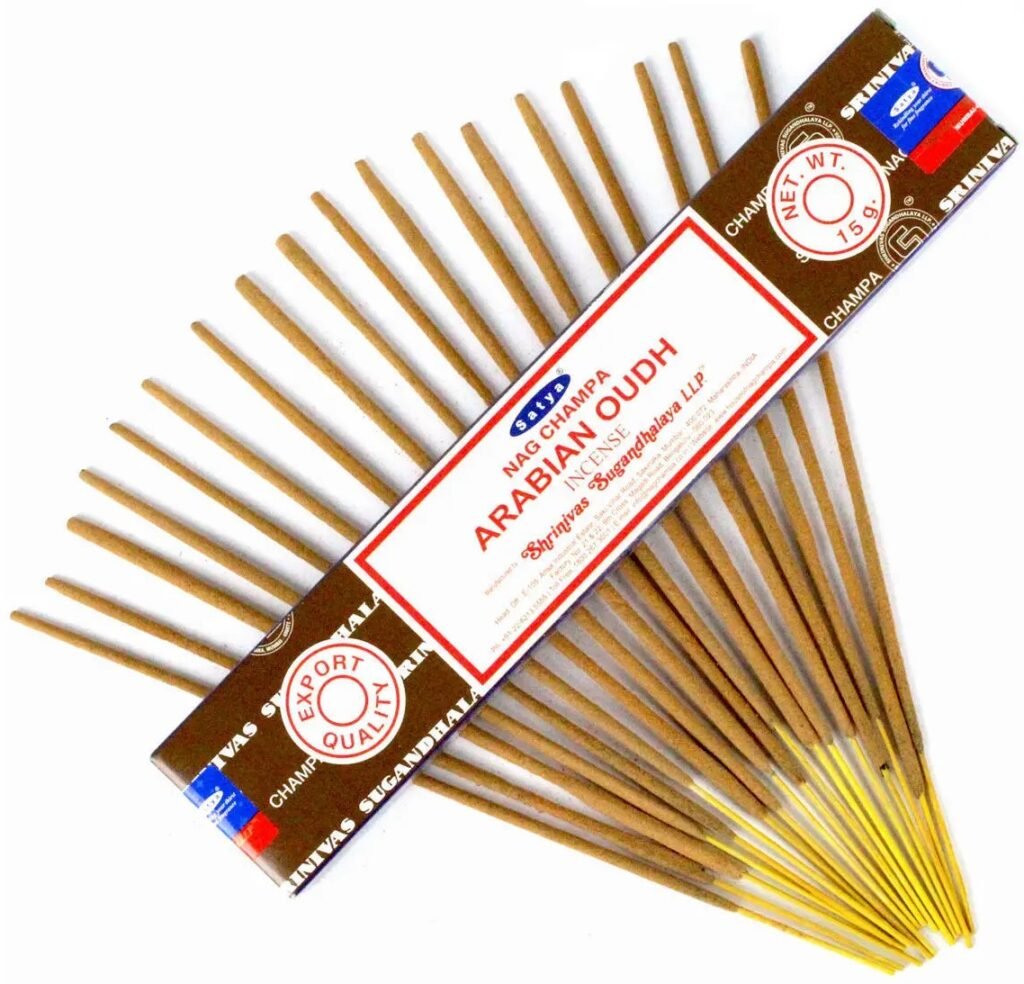
Arabian Oudh (Oud) incense stick
£1.50
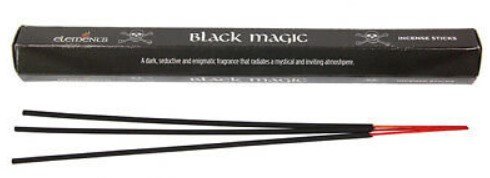
Black Magic Incense sticks
£1.50
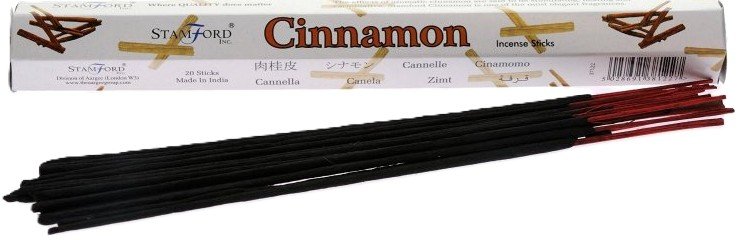
Cinnamon Incense Sticks
£1.50
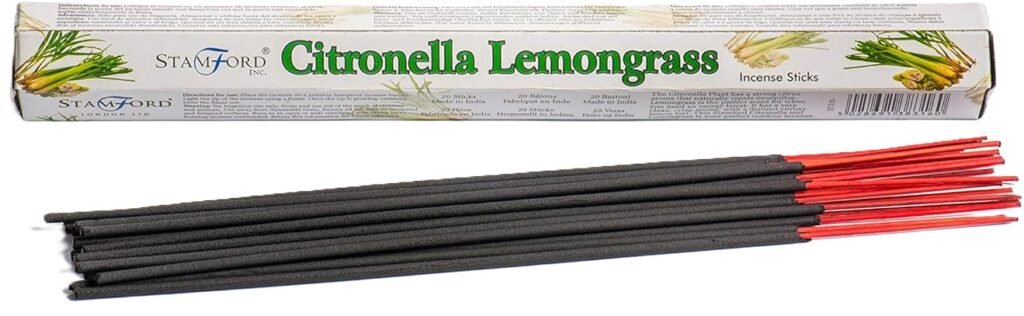
Citronella Lemongrass Incense Sticks
£1.50
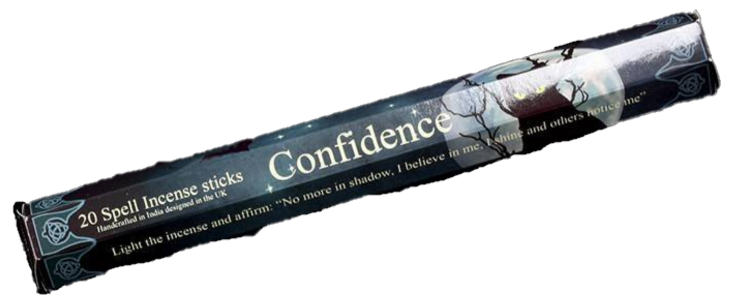
Confidence Spell Incense sticks
£1.50
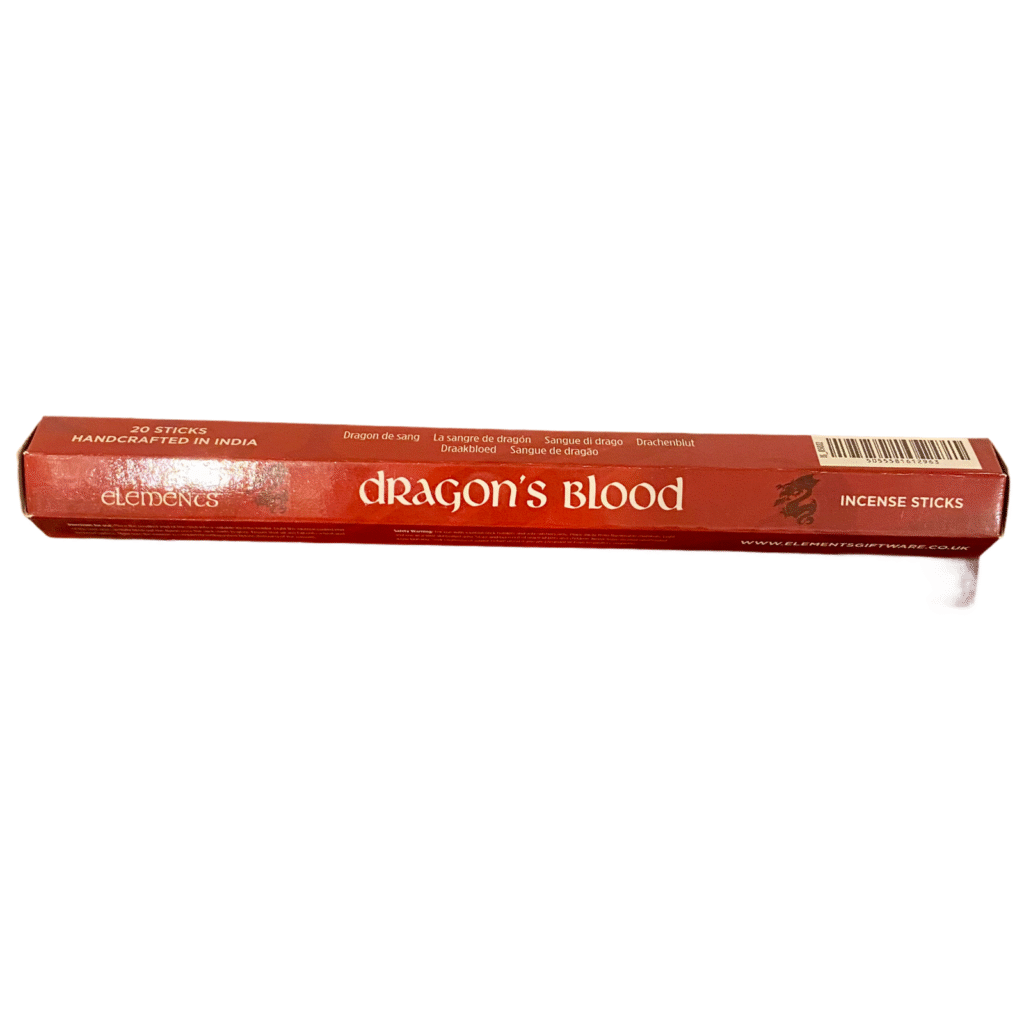
Dragons Blood incense sticks
£1.50
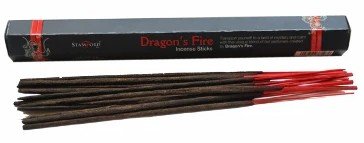
Dragons Fire Incense Sticks
£1.50