A great incense experience relies just as much on the hardware as it does on the fragrance. A proper incense holder or incense burner serves two vital purposes: it ensures absolute fire safety by catching hot, falling ash, and it elevates your home decor.
Depending on whether you burn traditional Indian sticks, coreless Japanese incense, or speciality cones, you will need a specific type of holder. Here is a breakdown of the most popular incense burners on the market and how to choose the right one for your space.
Types of Incense Burners and Holders
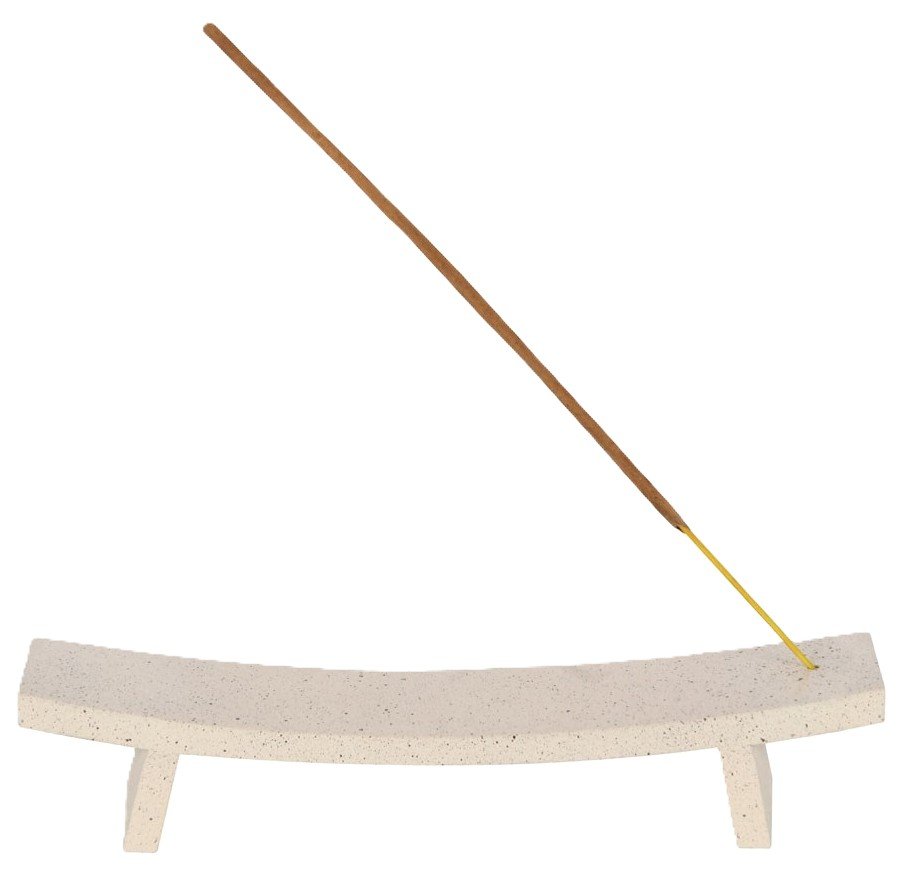
1. The Classic Incense Ash Catcher (Ski-Jump & Boat Holders)
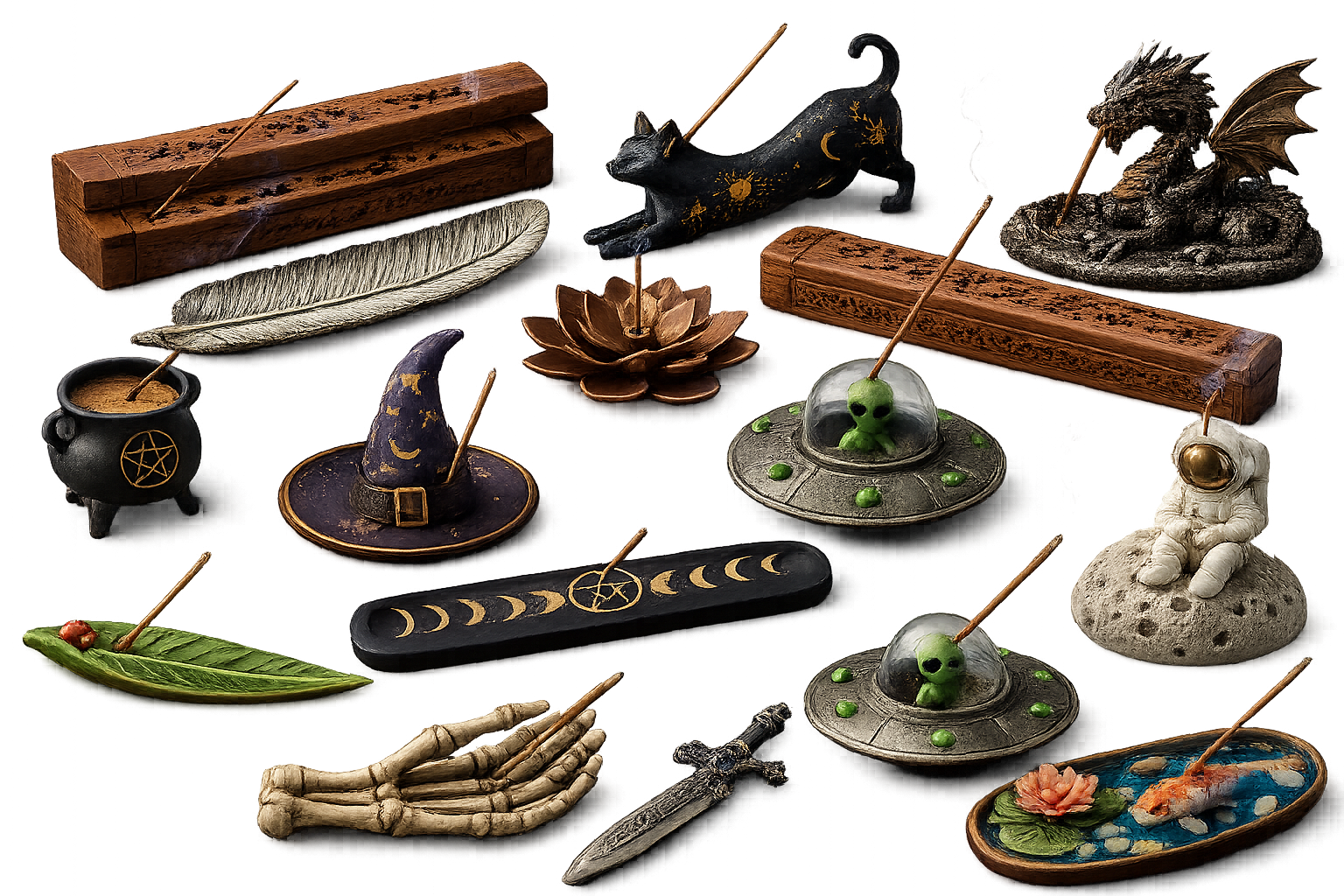
The most common and widely available design, these holders resemble a long, narrow curved track or “boat” made from wood, ceramic, metal, or bamboo. One end features a small drilled hole positioned at an angle to hold the bamboo core of an incense stick.
How it Works: The stick suspends over the long channel, allowing gravity-fed ash to fall safely directly into the tray beneath it
Best For: Standard Indian agarbatti or any incense sticks with a wooden core.
Pro Tip: Look for extra-wide channels. Narrow wood catchers can sometimes let stray drafts blow ash over the sides and onto your tabletop.
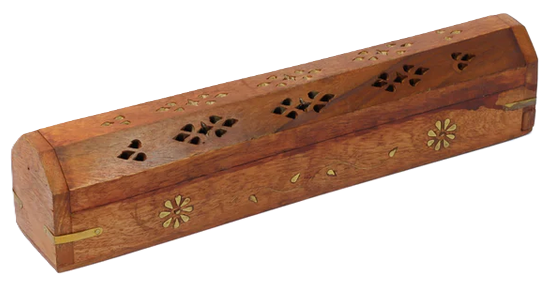
2. Wooden Incense Boxes (Coiled & Storage Burners)
Often hand-carved from beautiful hardwoods like sheesham or rosewood, these boxes feature a hinged lid with intricate cutouts or lattice work. They typically have dual functionality: a hidden bottom compartment to store unlit sticks, and internal brass holes or small metal plates to burn incense.
- How it Works: You light the stick, secure it horizontally inside the box, and close the lid. The fragrant smoke weaves beautifully through the carved lattice design while all the ash remains securely contained inside the sealed box.
- Best For: Families with curious pets or children, as it keeps the open, smouldering tip completely enclosed and out of reach.
- Pro Tip: Make sure to dump the internal ash regularly so the ventilation holes don’t get clogged, which can smother the flame.
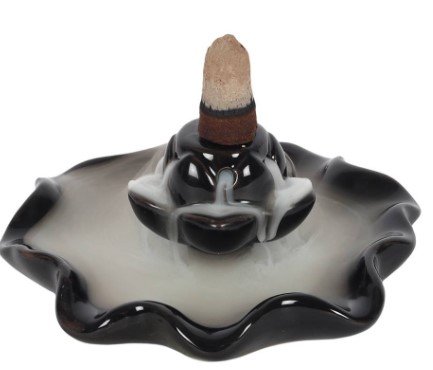
3. Backflow Incense Burners (Visual & Flowing Art)
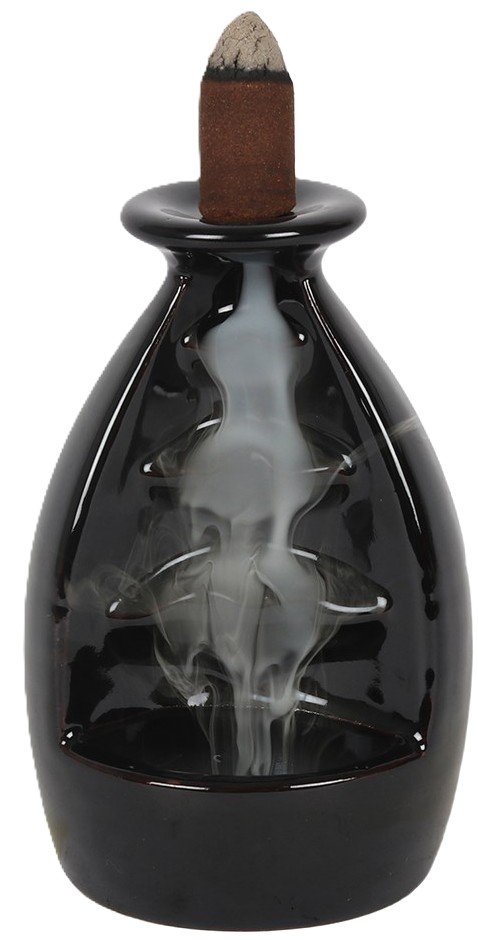
Backflow burners are highly stylised, sculptural centrepieces—often crafted from ceramic—that create a dramatic, mesmerising visual effect. Unlike standard upward-rising smoke, these burners utilise heavy, downward-flowing fog that mimics cascading waterfalls or pooling mist.
How it Works: Important Note: Backflow burners do not work with traditional incense sticks. They require special, hollow centred backflow incense cones. As the cone burns, the smoke travels downward through the hollow centre and exits via a hole at the bottom, spilling over the tiers of the ceramic sculpture.
Best For Meditation spaces, visual relaxation, and creating a dramatic focal point in a draft-free room.
4. Incense Bowls, Pots, and Censers
Typically made of heavy brass, cast iron, or thick ceramic, these deep vessels are filled with an insulating base layer of natural white ash, white sand, or small pebbles.
- How it Works: Rather than using a pre-drilled hole, you simply press the end of your incense stick directly into the sand to stand it upright.
- Best For: Coreless Japanese incense (senko), resin chunks burned on charcoal discs, and thick Tibetan incense sticks that lack a bamboo core. Because there are no restrictive holes, you can burn multiple sticks simultaneously at any angle.
Buyer’s Checklist: How to Choose Your Perfect Burner
When shopping for an incense accessory, match your selection to your lifestyle using this quick checklist:
| Feature to Consider | What to Look For |
| Check Your Incense Type | If you burn sticks with bamboo cores, choose an ash catcher or a box. If you burn coreless sticks, select a bowl filled with sand. For backflow effects, buy specialized cones and a cascading burner. |
| Prioritize Safety First | If you live in a household with active pets or toddlers, choose an enclosed wooden incense box or a heavy, tip-proof metal censer to prevent fire hazards. |
| Consider Clean-Up Ease | Ceramic, glass, and metal holders are incredibly easy to wipe clean or rinse with warm, soapy water to remove resin residue. Wood holders look beautifully natural but can absorb oils and stain over time. |
| Match Your Room Aesthetics | Sleek brass and minimalist ceramic pieces match modern, contemporary homes, while hand-carved wood boxes perfectly complement bohemian, rustic, or traditional decor. |
Frequently Asked Questions: How to Choose the Perfect Incense Holder
What type of holder do I need for traditional incense sticks?
If you are burning standard Indian agarbatti or any incense sticks that feature a wooden or bamboo core, you should look for a classic ash catcher (often called a boat or ski-jump holder) or an enclosed wooden incense box. These designs explicitly feature pre-drilled holes angled to securely grip the wooden end of the stick.
Can I burn Japanese or Tibetan incense in a standard boat holder?
Generally, no. Japanese (senko) and Tibetan incense sticks are typically coreless, meaning they do not have a thin wood or bamboo stick at the base. Because they lack this narrow core, they will not fit into the small drilled holes of a classic boat holder. Instead, coreless incense requires an incense bowl, pot, or censer filled with an insulating material like sand, ash, or pebbles to hold them upright.
What is the safest incense holder for a home with pets or children?
If you have active toddlers or curious pets, an enclosed wooden incense box is the safest option. These boxes feature a hinged lid with lattice cutouts. You light the incense, place it horizontally inside, and shut the lid. The fragrant smoke still escapes through the carvings, but the hot, smouldering tip remains safely out of reach. A heavy, tip-proof metal censer is another excellent alternative.
Why isn’t my backflow burner working with regular incense sticks?
Backflow burners rely on physics to create their signature “cascading waterfall” smoke effect, and they do not work with traditional incense sticks. They require specialised, hollow centered backflow incense cones. As these cones burn, the heavy smoke travels downward through the hollow center and exits out the bottom, creating a pooling mist effect.
Which incense holder materials are the easiest to clean?
If you want low-maintenance cleanup, choose holders made from ceramic, glass, or metal. These materials can be effortlessly wiped down or rinsed with warm, soapy water to remove stubborn, oily resin build-up. While hand-carved wood holders look beautiful and rustic, they are porous and can permanently absorb oils and stain over time.
How do I prevent incense ash from spilling onto my furniture?
If you are using a classic ski-jump or boat holder, always look for a model with extra-wide channels. Narrow wooden catchers are prone to letting stray drafts blow falling ash right over the edges and onto your tabletops. For 100% ash containment, switch to an enclosed box or a deep ceramic bowl.
These are my personally selected and curated Incense Stick Holders
Products by Category

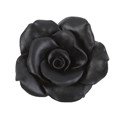
Black Rose Incense Stick Holder
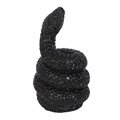
£3.99Black Snake Incense Stick Holder
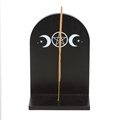
£3.99Black Triple Moon Incense Stick Holder shelf
£8.99
Cocoon Backflow cone Burner
£10.00
Cream Speckle Incense Ash Catcher
£7.99
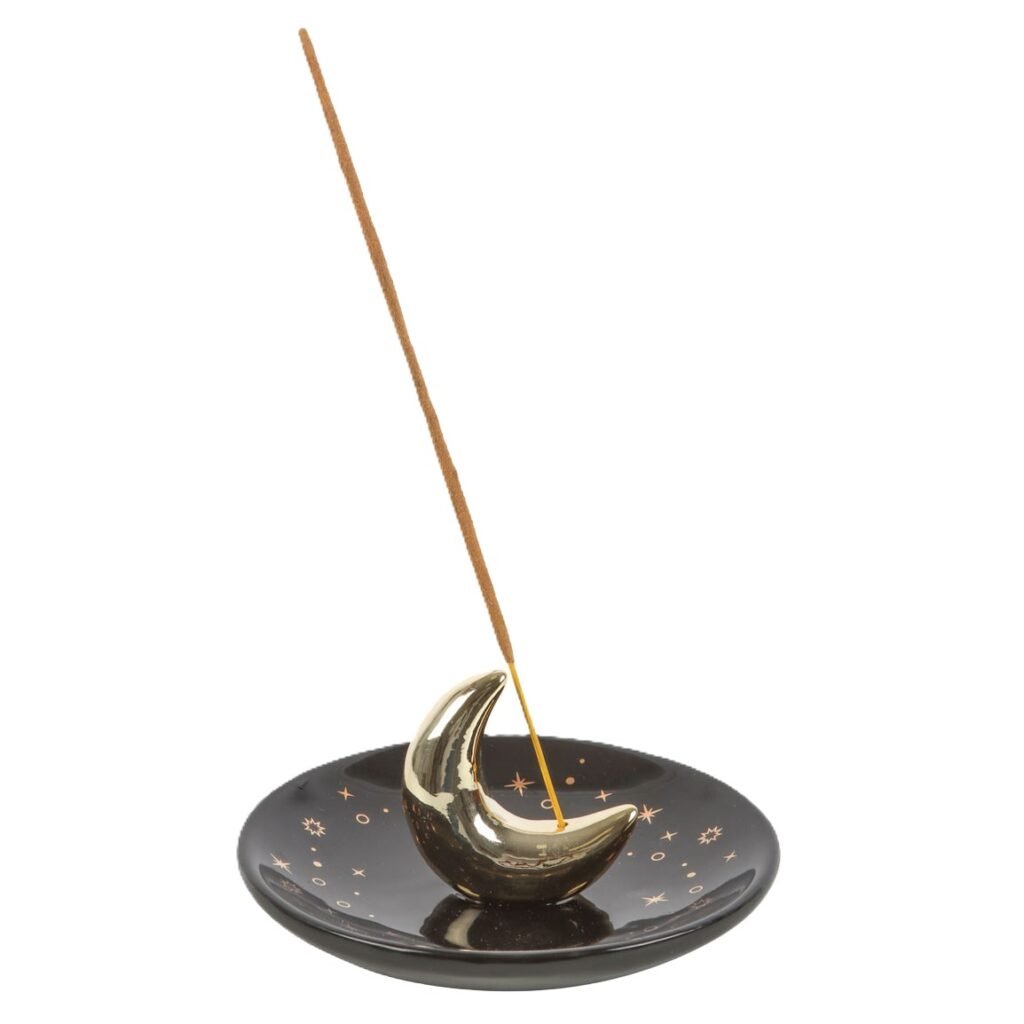
Crescent Moon Incense Stick Burner
£6.99Crystal Witch Plate Incense Stick Holder
£5.99
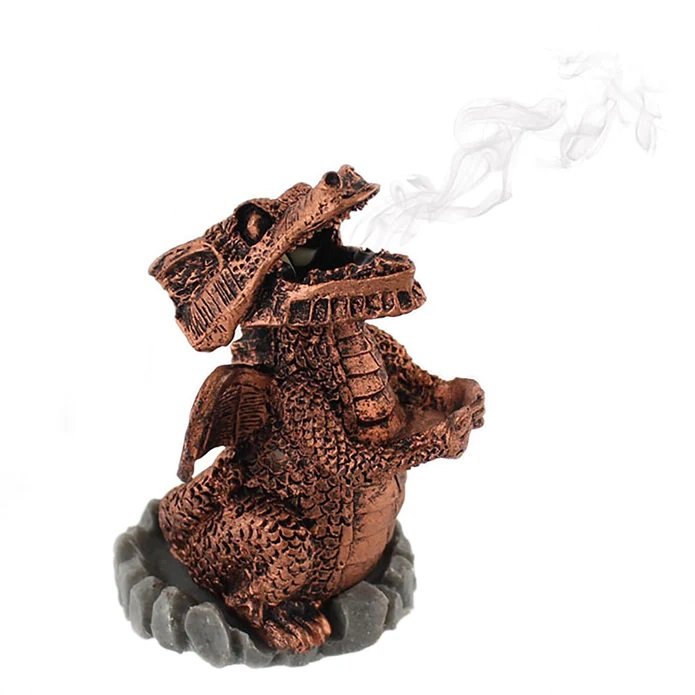
Dragon Incense Cone Burner
£6.50
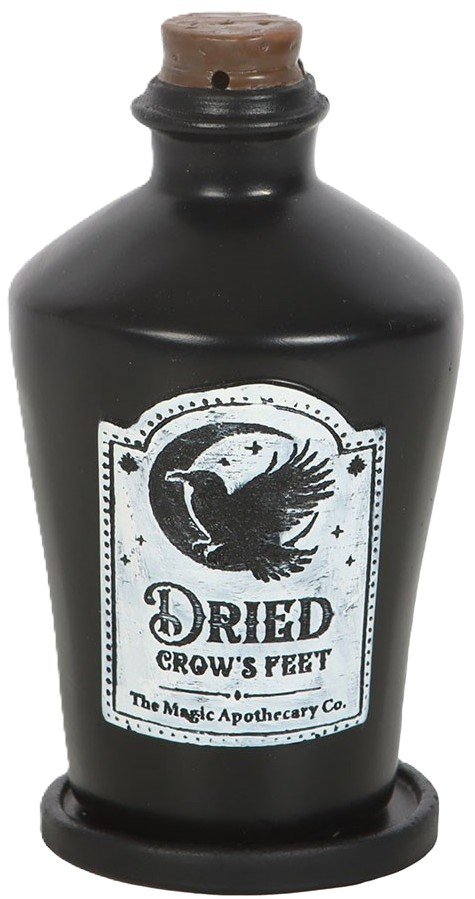
Dried Crow’s Feet Incense Cone Burner
£9.99