

Incense sticks have been used for thousands of years across cultures for spiritual practice, meditation, ritual, and everyday enjoyment. Today, they remain a popular way to scent spaces, mark moments of calm, and create atmosphere. Understanding where incense comes from, how to use it correctly, and how to burn it safely helps ensure a positive and respectful experience.
Origins of Incense Sticks
The use of incense dates back over 5,000 years. Early evidence appears in ancient Egypt, where incense resins such as frankincense and myrrh were burned in religious ceremonies and funerary rites. Incense also played a central role in early Chinese civilisation, particularly within Taoist and Buddhist traditions, where it was used to purify spaces and mark the passage of time.
In India, incense sticks as we know them today were refined. Traditional Indian incense, often called agarbatti, is made by coating a thin bamboo stick with a paste of natural ingredients such as powdered woods, resins, herbs, spices, and essential oils. Incense became deeply embedded in Hindu rituals, meditation practices, and daily household worship.
From Asia, incense spread along trade routes into the Middle East and Europe, where it was adopted by religious institutions and later by secular households. Modern incense sticks are now produced worldwide, ranging from traditional hand-rolled blends to mass-produced varieties.
How Incense Sticks Are Made
Traditional incense sticks are created using natural materials:
- A bamboo core or solid incense base
- Aromatic woods such as sandalwood or cedar
- Natural resins like frankincense or benzoin
- Herbs, flowers, and spices
- Essential or fragrance oils
Higher-quality incense usually contains fewer synthetic additives and burns more cleanly, producing a softer, more natural scent.
How to Light Incense Sticks
Lighting incense correctly ensures an even burn and a consistent fragrance.
- Place the incense stick upright in a stable, heat-resistant holder.
- Light the tip using a match or lighter until it catches flame.
- Allow the flame to burn for a few seconds.
- Gently blow out the flame so the tip glows and releases smoke.
- Let the incense smoulder naturally until it burns down.
A single stick typically burns for 30 to 60 minutes, depending on thickness and composition.
Incense Safety Guidelines
While incense is generally safe when used properly, basic precautions should always be followed.
- Always burn incense in a well-ventilated room.
- Never leave burning incense unattended.
- Keep incense away from flammable materials such as curtains, paper, or fabrics.
- Use a proper incense holder to catch falling ash.
- Keep out of reach of children and pets.
- Avoid excessive use, particularly in small or enclosed spaces.
Products by Category
-
Aloe Vera Incense Sticks
£1.50 -
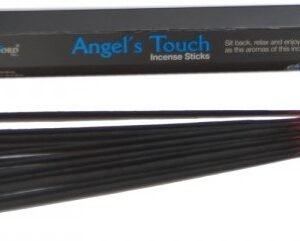
Angels Touch Incense sticks
£1.50 -
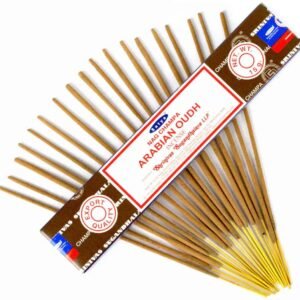
Arabian Oudh (Oud) incense stick
£1.50 -
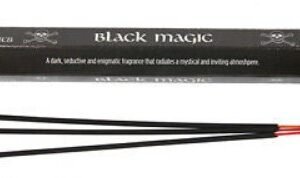
Black Magic Incense sticks
£1.50 -
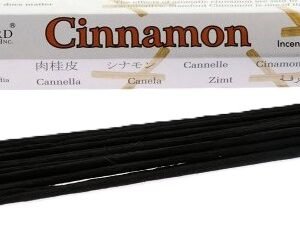
Cinnamon Incense Sticks
£1.50 -
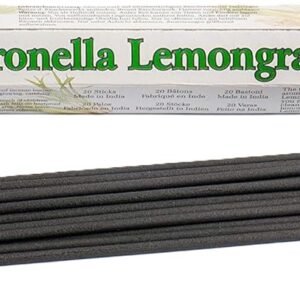
Citronella Lemongrass Incense Sticks
£1.50 -
Confidence Spell Incense sticks
£1.50 -
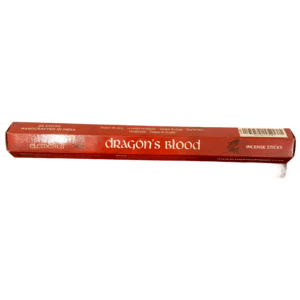
Dragons Blood incense sticks
£1.50 -
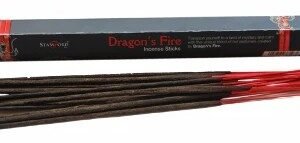
Dragons Fire Incense Sticks
£1.50
