The cauldron is one of the most recognisable and enduring symbols in world folklore and modern magical practices. Far from being a mere kitchen tool or a cliché horror prop, the cauldron carries profound mystical significance spanning ancient mythologies, initiatory shamanic rites, and contemporary Wiccan traditions.
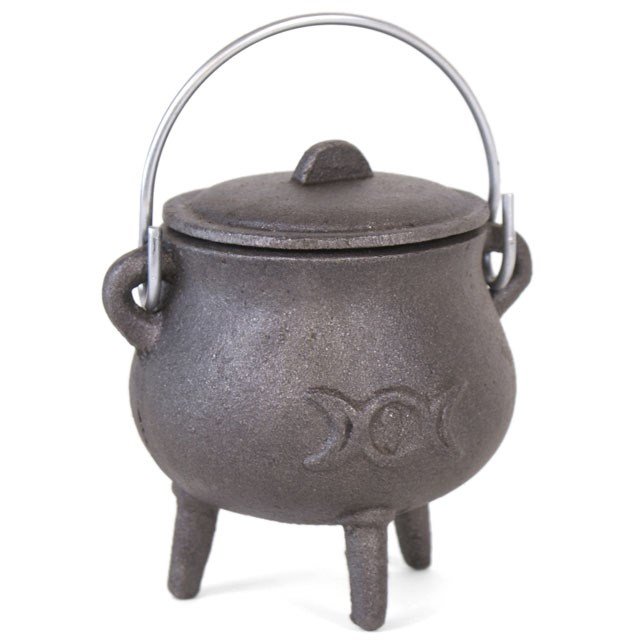
A cauldron (or caldron) is a large pot for cooking or boiling over an open fire. Sometimes with a lid and usually with a handle to suspend over a fire or feet. The word cauldron is first recorded in Middle English as caudroun from the Latin caldārium “hot bath”.
Symbolism of the Cosmic Mother and Rebirth
Across various global mythologies, the cauldron serves as a profound feminine symbol, representing the womb of the Great Mother, cosmic creation, and the cyclical nature of life, death, and rebirth. Its rounded, hollow shape naturally aligns it with the element of Water and the primordial fluids of creation.
- The Womb of the Goddess: In many traditions, the cauldron represents the cosmic body or womb from which all life emerges and to which it eventually returns.
- Celtic Mythology: In Celtic lore, cauldrons are heavily tied to nourishment and transformation. The Welsh goddess Cerridwen famously brews a potion of wisdom and inspiration in her magical cauldron, a process requiring a year and a day. Similarly, the Irish Dagda possesses a cauldron from which “no company ever went away unsatisfied,” symbolising infinite abundance. The Celtic Triple Goddess Badb (the mother aspect of the Morrigan) is depicted with a forever-bubbling cauldron from which she continuously generates life.
- Indo-European & Shamanic Transformation: In certain Indo-European hero myths and Central Asian/Siberian shamanic initiations, the cauldron represents a violent yet necessary spiritual transformation. Initiates would dream or tell stories of being dismembered and boiled inside a massive iron cauldron, emerging fully reconstituted, enlightened, and endowed with shamanic healing or magical powers.
Historical Context: Feasting and Sacraments
Historically, cauldrons held immense social and political weight long before they became synonymous with witchcraft. In Iron Age Britain and Ireland, large copper-alloy cauldrons were highly prized, technically complex objects passed down for generations.
Because of their immense capacity, they were rarely used for everyday cooking ; instead, they were reserved for large social gatherings and communal feasting, symbolising hospitality, community, and alliances. The high value placed on these vessels made them primary choices for “special deposition”—they were frequently offered as sacrifices or sacred gifts to the gods by being deliberately sunk into bogs, lakes, and rivers.
The Cauldron in Wicca and Modern Witchcraft
In Wicca and modern Neopagan practices, the cauldron remains a staple tool on the witch’s altar, acting as a physical anchor for supernatural interactions and intentions. It blends the traditional themes of transformation with practical ritual utility.
Elemental Synthesis
Wiccans view the cauldron as a perfect synthesis of multiple elements:
- Water: It is a vessel designed to hold liquids, potions, and infusions.
- Fire: It is historically placed over a flame to heat its contents, or used as a safe container to burn incense, petitions, or small bonfires.
- Earth: It is typically crafted from cast iron, a metal forged from the earth that acts as a grounding anchor.
- Spirit/Air: The steam, smoke, or incense rising from the cauldron bridges the gap between the material world and the spirit realm.
Ritual Practices
In contemporary witchcraft, the cauldron is utilised for several specific magical acts:
- Scrying: Filling a cast-iron cauldron with water (often under a full moon) creates a dark, reflective surface used for divination and receiving psychic visions.
- Brewing and Infusing: It is used to craft herbal remedies, moon water, and ritual washes. Historically, the components brewed in these pots included herbs like St John’s Wort or honeysuckle, which possessed genuine medicinal qualities.
- Altar Placement: It is typically placed in the centre of the altar or towards the West (the direction corresponding to the element of Water). It represents the Divine Feminine and the transformative matrix where a practitioner’s desires are cast, cooked, and manifested into reality.
These are my personally selected and curated Cauldron products