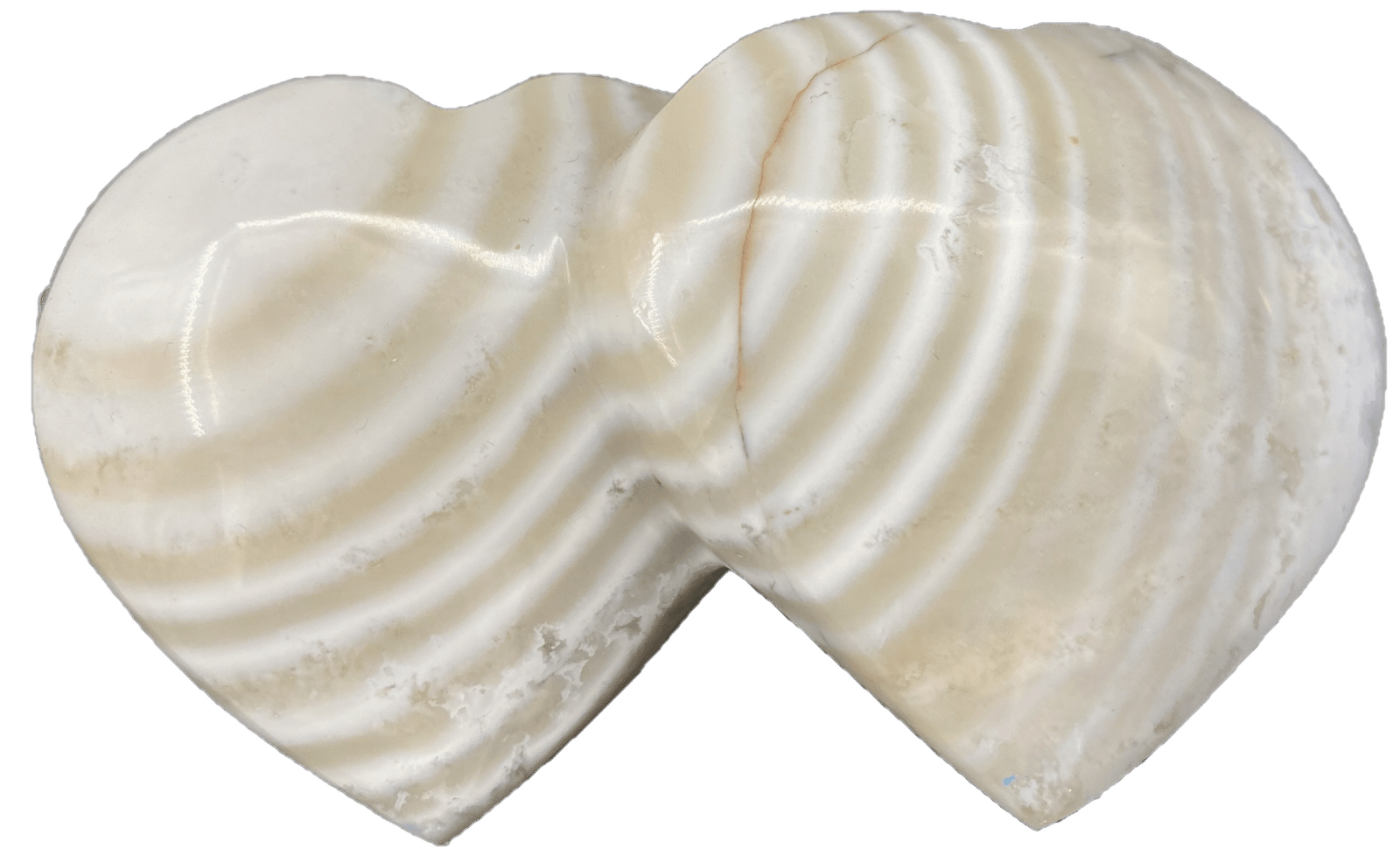
Of all the organs in the human and animal bodies, none carries more symbolic, emotional, and cultural weight than the heart. Long before modern anatomy mapped its role as a biological engine, ancient civilisations, philosophers, and mystics recognised it as the core of existence—the dwelling place of the soul, the seat of courage, and the universal emblem of love.
Tracing the evolution of the heart reveals a rich tapestry woven through linguistics, archaeology, global folklore, and esoteric healing traditions.
The Etymology and Linguistic Evolution of the Heart
The modern English word “heart” originates from the Old English heorte, descending from Proto-Germanic *hertan and the reconstructed Proto-Indo-European root *ḱērd-, meaning “core,” “seat of life,” or “centre.” Across language families, civilisations described the heart in terms that linked physical vitality directly to moral and spiritual truth:
- Ancient Greek (Kardia): The ancestor of modern clinical terms like cardiology, kardia denoted both the anatomical organ and the seat of courage, intellect, and profound grief.
- Latin (Cor): Giving rise to Romance language words like coeur, corazón, and cuore, cor is also the root for cordial, courage, and concord—each implying warmth, inner strength, and mutual understanding.
- Sanskrit (Hrid or Hridaya): Central to Vedic philosophy, hridaya refers not merely to the chest organ, but to the innermost spiritual sanctuary where consciousness and divine essence reside.
- Ancient Egyptian (Ib): Regarded as the true centre of personal identity, thought, morality, and memory.
Archaeological Finds and Historical Usage
Archaeological excavations show that honouring the heart through visual art, talismans, and burial rites spans thousands of years across disparate global cultures.
Ancient Egypt and the Hall of Ma’at
In Egyptian funerary practices, the heart (ib) was deliberately left inside mummified bodies, unlike other organs which were removed to canopic jars or discarded. The Egyptians believed that after death, the heart was placed on the balance scales against the feather of Ma’at, the goddess of truth and cosmic order. A light heart—free from the heavy burdens of wrongdoing—granted entry into the afterlife. To protect the soul during this trial, craftsmen fashioned inscribed heart amulets placed directly over the chest.
Mesopotamia, Greece, and Mesoamerica
- Mesopotamia and the Levant: Heart- and seed-shaped amulets carved from hardstones like jasper and serpentine have been unearthed in Bronze Age burial sites, where they served as potent talismans for life, fertility, and warding off ill intent.
- Mesoamerican Civilisations: The Aztecs regarded the heart (yollotl) as the supreme seat of life energy, housing tonalli (vital solar fire). In their cosmological ceremonies, the heart was honoured as the ultimate life-sustaining offering required to maintain cosmic order and the rising of the sun.
- Classical Greece to Medieval Europe: While classical Greece produced anatomical and symbolic depictions, the stylised, lobed heart symbol began emerging distinctly in 14th- and 15th-century European illuminated manuscripts, transitioning gradually into the universal iconography of romantic devotion and spiritual dedication.
Fascinating Facts About the Heart in History
- Aristotle’s Cardio centric View: Aristotle taught that the heart was the primary organ of intellect, perception, and heat, while the brain merely functioned as a secondary cooling mechanism for the blood.
- The Plant Seed Theory: Some historians suggest the familiar card-suit heart shape may trace its earliest visual lineage to coins from ancient Cyrene (c. 6th century BCE), which depicted the heart-shaped seed pod of Silphium, a now-extinct giant fennel prize for seasoning and medicinal uses.
- Traditional Chinese Medicine (TCM): In TCM, the heart (Xin) is regarded as the “Emperor” of all organs, governing both the physical circulation of blood and housing the Shen (spirit, emotional balance, and mental vitality).
- The Origin of Romantic Art: The earliest known visual depiction of a heart offered as a token of romantic love appears in a mid-13th-century French manuscript, Roman de la Poire, showing a kneeling lover presenting his heart to a maiden.
Folklore, Legends, and World Mythology
The heart sits at the emotional centre of world storytelling, representing everything from divine wisdom to raw mortal strength:
- Norse Wisdom and Valour: In Norse tradition, courage was literally judged by the firmness and heat of the chest. Legends tell of Odin’s fathomless wisdom residing in his heart, while epic sagas described fallen warriors whose hearts remained fearless even in the face of insurmountable odds.
- Greek Tragedy: Classical Greek myths frequently frame the heart as a furnace of desire and suffering, such as the tale of Phaedra, consumed and wasted away by the unrequited fire burning within her breast.
- Celtic Battle Lore: Celtic traditions regarded the heart as the repository of life force (neart). Mythological cycles recounted warriors who sought to absorb the raw strength, endurance, and courage of their opponents through the reverence of the heart.
- The Flute of Krishna: In Hindu devotional lore, the heart is intimately tied to divine love. The god Krishna’s flute music is said to resonate at the exact vibration of the human heart, awakening devotion (bhakti) and calling the soul toward transcendence.
- The Sacred Heart: Within Christian sacred art, the Sacred Heart of Jesus stands as an enduring emblem of divine compassion, sacrificial grace, and enduring love, depicted radiating light and warmth.
- Protective Folklore: In rural folklore, it was pinned to a child’s swaddling clothes or a crib to ward off evil spirits, hexes, and the “evil eye”—believed to turn away witches from stealing breast milk or harming infants.
Mystical and Metaphysical Dimensions of the Heart
Beyond its physical function, the heart is traditionally treated as a primary nexus for emotional and energetic well-being:
- Emotional Resilience: Cultivating heart centred awareness encourages the release of grief, past trauma, and emotional blockages, opening the pathway to authentic connection.
- Physical Vitality: Often visualised as the rhythmic dynamo of the subtle body, promoting endurance, grounded calm, and balanced circulation.
- Compassion and Inner Peace: Quieting mental chatter by focusing on the heart centre fosters emotional equilibrium, kindness, and self-acceptance.
Astrological and Zodiac Alignments
In astrological tradition, the heart is governed by specific planetary rulers and signs:
- Leo (Ruled by the Sun): In medical astrology, the Sun and Leo rule the heart, spine, and circulation. This corresponds to the lion’s traditional attributes: magnanimity, radiant warmth, personal courage, and expressive generosity.
- Taurus and Libra (Ruled by Venus): Venus governs romantic commitment, aesthetics, partnership, and affection. While Leo embodies the physical vitality of the heart, Venusian signs embody the emotional bonds and harmonious connections that hearts share with one another.
The Chakra System: Anahata
In spiritual traditions and yogic philosophy, the heart corresponds to the fourth primary energy centre: the Heart Chakra, or Anahata.
Translated from Sanskrit as “unstruck” or “unbroken,” Anahata represents the pure, untainted sound of the celestial realm. Positioned directly at the centre of the chest, it serves as the crucial energetic bridge between the lower three physical chakras (Root, Sacral, Solar Plexus) and the upper three spiritual chakras (Throat, Third Eye, Crown).
- Colour Vibration: Green and pink are the principal tones used to balance and activate Anahata.
- Associated Crystals: Gemstones traditionally linked with heart healing include Rose Quartz (unconditional love and emotional soothing), Emerald (renewal and spiritual fidelity), and Green Aventurine (vitality and optimism).
- Balanced Energy: When the heart chakra is open and balanced, individuals experience empathy, deep self-worth, fluid forgiveness, and a natural capacity for both giving and receiving affection without fear or possessiveness.
Modern Symbolism, Gifting, and Anniversaries
Today, the heart remains the most universally understood design in jewellery, fine art, and decorative keepsakes:
- Tokens of Devotion: Heart-shaped pendants, carvings, and rings serve as direct heirlooms of commitment, celebrating milestones from engagements to personal renewals of self-love.
- Anniversary Traditions: Heart motifs frequently accompany milestone anniversary gifts, embodying decades of shared emotion and intertwined lives.
- Gemstone Combinations: Pairing heart-shaped jewellery with traditional Heart Chakra birthstones—such as an April diamond/quartz or a May emerald—reinforces the ancient connection between nature’s minerals and the enduring power of the human spirit.
For more information on Heart signifcance especially in Jewellery see my post Evolution of the heart motif in Jewellery, and Georgian witch’s hearts