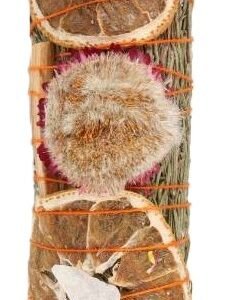
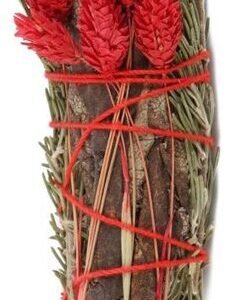
Clearing the energy in your home shouldn’t come at the expense of the earth. While white sage and Palo Santo have dominated modern wellness, their massive popularity has led to severe ecological strain and unsustainable poaching. Fortunately, the plant kingdom offers an abundant, highly effective world of alternative Herbs for Smoke Cleansing
This botanical directory profiles four powerful, historically rich plants: Mugwort, Rosemary, Juniper, and Cedar. Each of these easily sourced botanicals carries its own unique aromatic profile, deep ancestral history, and energetic cleansing properties. Discover how to purify your space with a clear conscience and a deeper connection to nature.nature.
Mugwort (Artemisia vulgaris)
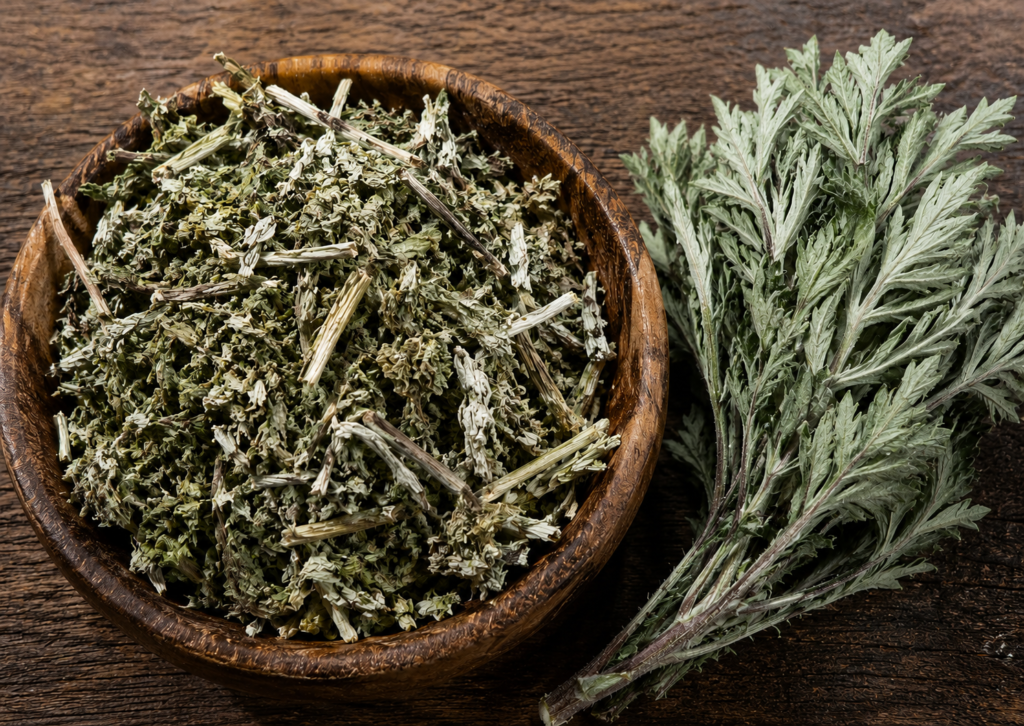
Historically known as the “Traveller’s Herb,” Mugwort is a hardy, invasive perennial deeply tied to European folklore, divination, and dreamwork.
- Botanical Profile: Part of the Asteraceae (daisy) family, featuring dark green leaves with silvery, downy undersides.
- Aroma: Earthy, sweet, slightly bitter, and herbaceous.
- Historical Usage: Named after Artemis, the Greek goddess of the moon and the hunt. In medieval Europe, mugwort was tucked into travellers’ shoes to prevent fatigue and hung over doorways to ward off evil spirits. In Anglo-Saxon tradition, it was revered as one of the “Nine Sacred Herbs.”
- Unique Cleansing Properties:
- Dream & Intuition Work: Mugwort is heavily associated with lucid dreaming and psychic clarity. It is traditionally burned before bed or meditation to open the Third-Eye Chakra.
- Transition Rituals: Its energetic profile is excellent for processing grief, navigating big life transitions, and encouraging deep, subconscious introspection.
Rosemary (Salvia rosmarinus)
Rosemary is an ancient, highly accessible Mediterranean shrub famous for its association with memory, fidelity, and mental clarity.
- Botanical Profile: A woody, evergreen member of the Lamiaceae (mint) family, sporting needle-like leaves and pale blue flowers.
- Aroma: Crisp, pine-like, camphoraceous, and sharp.
- Historical Usage: In ancient Greece and Rome, students wore rosemary wreaths around their heads during exams to boost memory. In Elizabethan England, it was burned in sick chambers to purify the air and carried at weddings and funerals as a symbol of remembrance.
- Unique Cleansing Properties:
- Cognitive Cleansing: Burning rosemary releases sharp, stimulating aromatic oils that lift brain fog, improve concentration, and clear out stagnant “mental clutter” after long periods of study or work.
- Joy and Renewal: It is used energetically to banish depression or heavy, melancholic moods, inviting light, fresh, and active energy into a home.
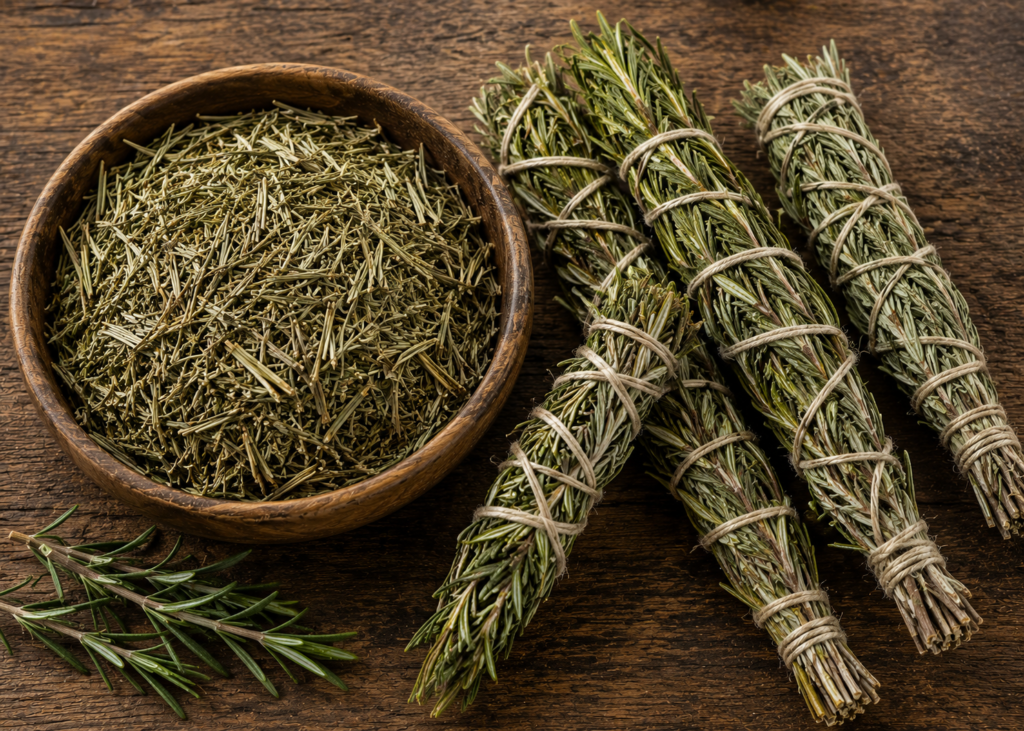
Dried Juniper (Juniperus communis)
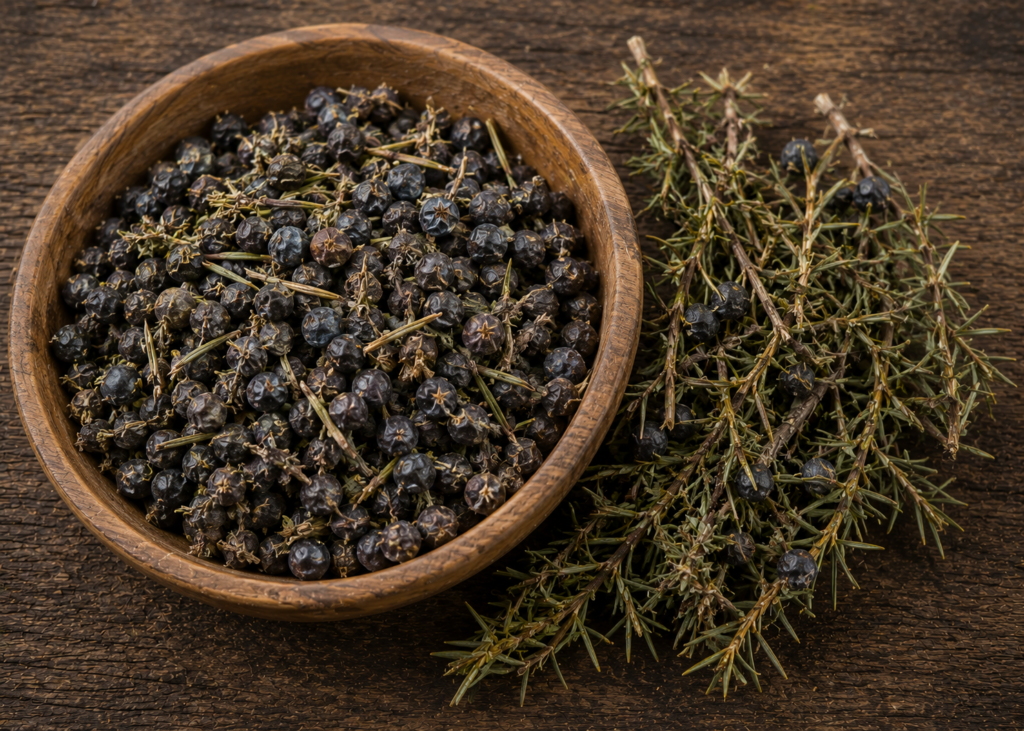
Juniper is a highly protective conifer that has been used across Europe, Asia, and North America for millennia to ward off physical and metaphysical harm.
- Botanical Profile: A hardy evergreen conifer in the Cupressaceae (cypress) family, bearing stiff, needle-like leaves and blue, berry-like seed cones.
- Aroma: Woody, sweet, balsamic, and fresh-pine scent.
- Historical Usage: In Scottish folklore, juniper was burned during Saining (traditional Hogmanay and New Year purification rituals) to bless households and livestock. In ancient Tibet, it was used as a sacred temple incense. During European plague outbreaks, hospitals burned juniper to disinfect sickrooms.
- Unique Cleansing Properties:
- Vigorous Protection: Juniper is considered a “protective shield.” Its smoke is used to clear intense negativity, fear, or a sense of dread from a space.
- Sanctuary Creator: It is excellent for sealing a home’s energetic boundaries, creating a safe, fortified sanctuary after stressful events.
Cedar (Cedrus / Thuja)
Often referred to as the “Tree of Life,” Cedar carries a majestic, deeply grounding presence. Note: For smoke cleansing in North America, true cedars or native arborvitae (Thuja occidentalis) are commonly used.
- Botanical Profile: Large, long-lived evergreen conifers known for their durable, rot-resistant wood and scale-like leaves.
- Aroma: Warm, woody, sweet, and deeply grounding.
- Historical Usage: Cedar is one of the four sacred medicines of Native American cultures (along with tobacco, sage, and sweetgrass), symbolising grounding, healing, and protection. In the ancient Near East, cedar was used to construct temples, including the legendary Temple of Solomon, because of its incorruptible strength.
- Unique Cleansing Properties:
- Grounding and Centering: The warm wood notes of cedar smoke instantly calm an overactive nervous system, anchoring flighty or anxious energy deep into the earth.
- Attracting Positive Abundance: Unlike sage, which acts as a total reset (neutralising all energy), cedar gently drives away negativity while actively inviting in blessings, wealth, and strength. It is the perfect choice for a new home or business.
Botanical Smoke Cleansing: Frequently Asked Questions
Understanding the botanical, historical, and practical nuances of smoke cleansing can help you approach your rituals with confidence and safety. Below are answers to the most common questions about selecting, preparing, and burning cleansing herbs.
Practical & Safety Questions
How do I dry my own fresh herbs for smoke cleansing?
Drying your own herbs is highly rewarding and guarantees sustainable sourcing.
- Harvest: Cut healthy stems in the morning after the dew has dried.
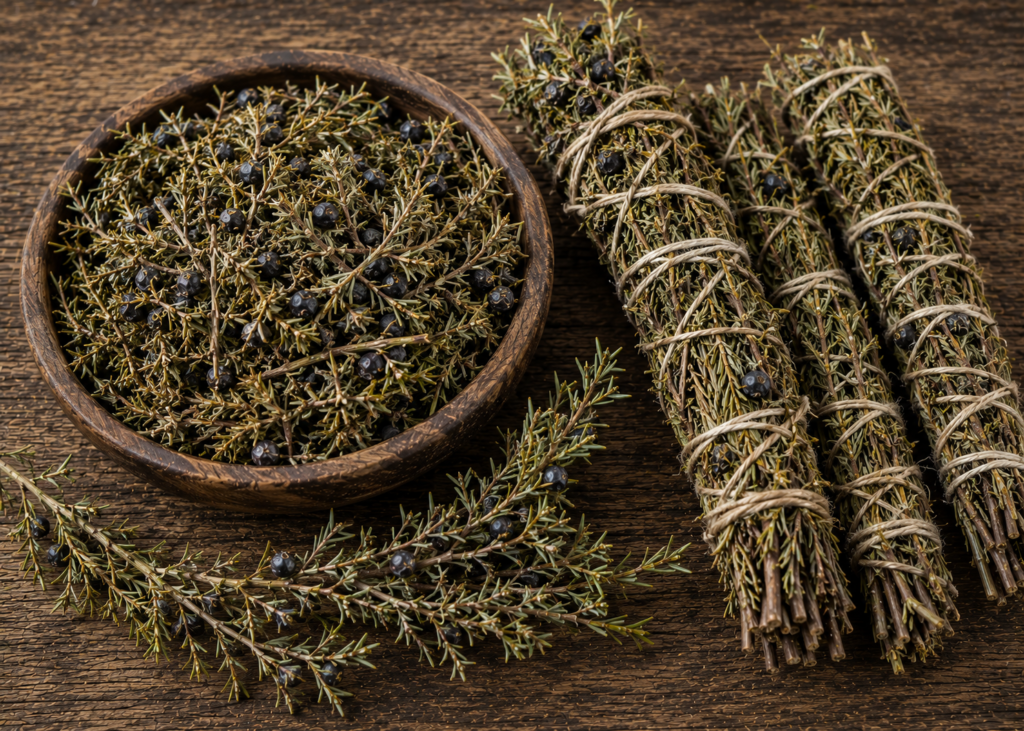
- Bundle: Lay your herbs flat, aligning the stems. Wrap a piece of 100% cotton kitchen twine tightly around the base.
- Wrap: Wind the twine spirally up to the tips of the plants, folding down any stray leaves, and then wind it back down to the base. Tie a secure double knot.
- Hang: Hang the bundle upside down in a warm, dry, dark place with good air circulation (like a pantry or closet) for 2 to 3 weeks. It is ready when the centre of the bundle feels completely dry and brittle.
Why won’t my herbal bundle stay lit?
It is completely normal for a bundle to stop burning. Unlike incense, which contains chemical burn accelerators, pure dried plants are designed to smoulder gently, not burn like a torch.
- Tightly bound: If your bundle is wrapped too tightly, oxygen cannot reach the centre. Gently roll the dry bundle between your hands to loosen the fibres.
- Moisture: If the herbs are not 100% dry, they will constantly extinguish. Store your bundles in a dry, airtight container with a silica gel packet.
- Palo Santo trick: Palo Santo wood is naturally dense. It requires a sustained flame for 30–45 seconds to create a lasting ember. Gently blow on the ember to keep it glowing.
Is smoke cleansing safe for pets?
You must exercise extreme caution when smoke cleansing around animals.
- Sensitive Respiratory Systems: Cats, dogs, and especially birds have highly sensitive lungs. Birds can easily die from inhaling smoke of any kind.
- Essential Oil Toxicity: Many common cleansing plants (like tea tree, eucalyptus, and certain pines) contain essential oils that are highly toxic to cats and dogs if absorbed through the skin or licked off their fur.
- Best Practice: Keep pets completely out of the room while cleansing, open windows to ensure rapid ventilation, and wait until the air is entirely clear before letting them back in. Alternatively, use sound or crystal cleansing instead.
Botanical & Identification Questions
What is the difference between Common Sage and White Sage?
While they belong to the same genus (Salvia), they have distinct ecological and cultural profiles:
- White Sage (Salvia apiana): Native specifically to the arid regions of Southern California and Baja California. It has highly resinous, silvery-white leaves, a very sharp, distinct aroma, and carries deep cultural significance for Indigenous nations of that region. It is heavily threatened by poaching.
- Common Sage (Salvia officinalis): The common culinary sage native to the Mediterranean. It has dusty green leaves, a softer, savoy aroma, is incredibly easy to grow globally in a garden or windowsill, and has no sourcing or cultural sensitivities attached to it.
Can I burn any garden plant for smoke cleansing?
No. Never burn a plant unless you have 100% positive botanical identification and know it is safe to inhale.
- Toxic Fumes: Plants like Oleander, Hemlock, English Ivy, and Rhododendron produce highly toxic smoke that can cause severe respiratory distress or poisoning.
- Allergens: Burning plants in the nightshade family or certain wild weeds can trigger intense allergic reactions or asthma attacks. Stick to verified, culinary, or historically documented cleansing botanicals.
Energetic & Ritual Questions
What is the difference between “clearing” and “blessing” a space?
Different botanicals serve different purposes, which can be categorised into clearing (removing) or blessing (inviting):
- Clearing Botanicals (The “Reset” button): Plants like Sage or Rosemary clear all energy in a space, neutralising both the bad and the good to create a blank canvas.
- Blessing/Attracting Botanicals (The “Magnet”): Plants and woods like Sweetgrass, Palo Santo, and Cedar do not strip a room. Instead, they actively invite in positive vibes, grounding energies, protection, and prosperity.
- Pro-Tip: Traditional practitioners often burn a clearing herb first to empty the space, followed immediately by a blessing herb to fill the void with positive energy.
Can I reuse a partially burned herb bundle?
Absolutely. A single 6-inch herb bundle can last for dozens of cleansing. When you are finished with your ritual, press the smouldering tip firmly into your fireproof bowl, sand, or ash until it is completely extinguished. Keep it dry, and simply relight the charred end the next time you wish to cleanse your space.
These are my personally selected and curated smudging products
Products by Category
-
Rosemary, Palo Santo and Quartz Smudge Stick
Original price was: £20.00.£15.00Current price is: £15.00. -
Rosemary, Palo Santo and Red Jasper Smudge Stick
Original price was: £20.00.£15.00Current price is: £15.00. -
Rosemary, Sage and Red Jasper Smudge Stick
Original price was: £15.00.£12.00Current price is: £12.00. -
Rosemary, White Sage and Aventurine Smudge Stick
Original price was: £15.00.£12.00Current price is: £12.00. -
Rosemary, Yerba Santa Sage Smudge Stick
Original price was: £15.00.£12.00Current price is: £12.00. -
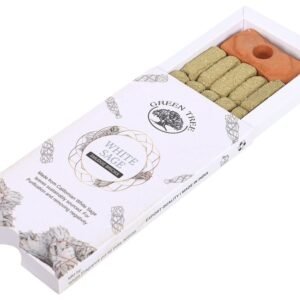
White Sage Incense bricks
£3.99 -
White Sage, Abalone and Quartz Smudge
Original price was: £15.00.£12.00Current price is: £12.00. -
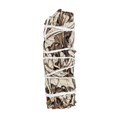
Yerba Santa Sage smudge stick or wand
£5.99