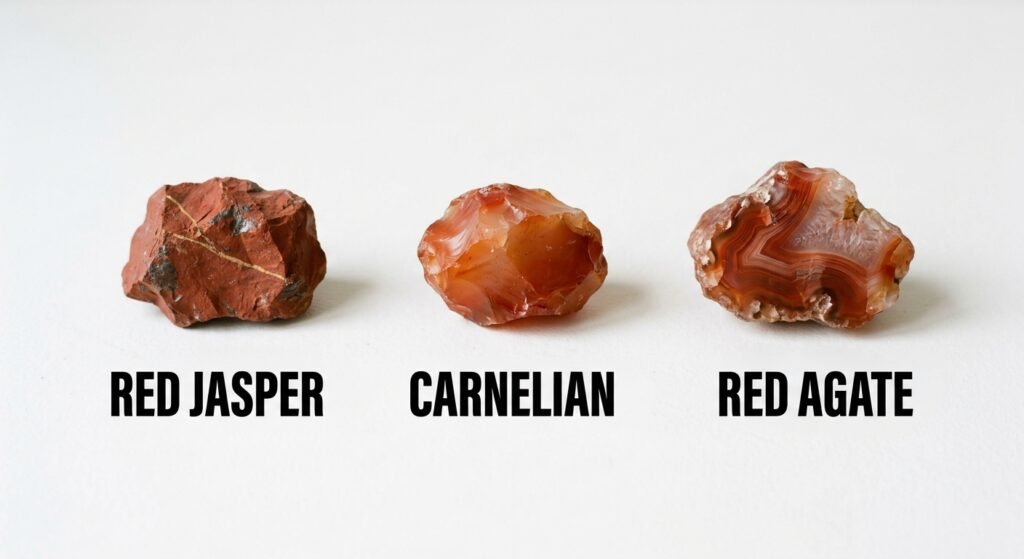
At first glance, when you compare red jasper, carnelian, and red agate they can easily pass as identical triplets of the mineral world. All three belong to the microcrystalline quartz family ($\text{SiO}_2$), share a dependable Mohs hardness of 6.5 to 7.0, and owe their warm, fiery tones to varying concentrations of iron oxide. Because of these shared traits, commercial trade labels and online listings routinely mix them up—leaving collectors, lapidaries, and enthusiasts guessing at what is actually in hand.
Despite these surface-level similarities, their physical structures tell very different geological stories. The secret to distinguishing them lies in how each formed beneath the earth:
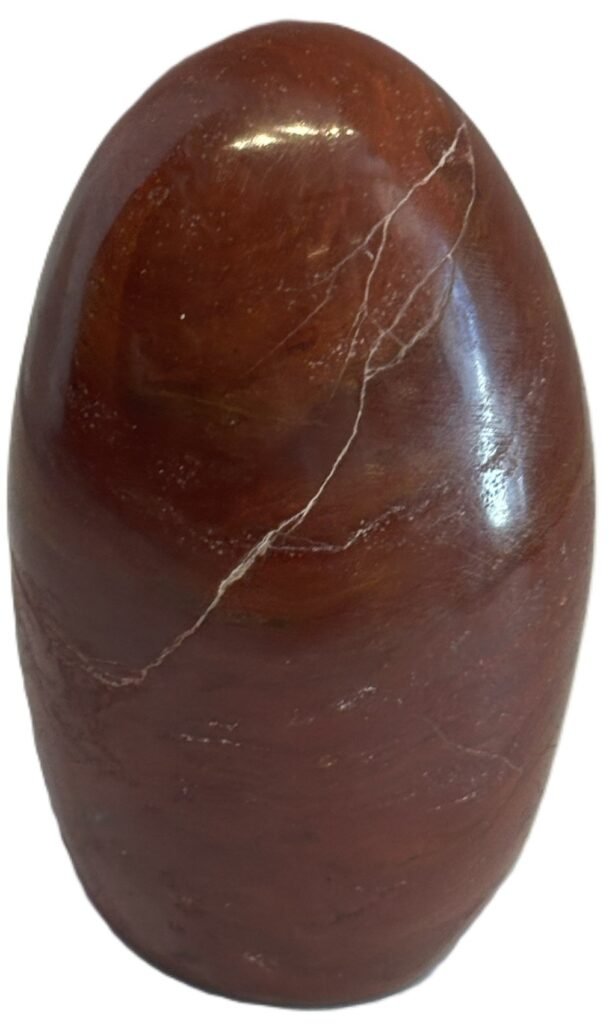
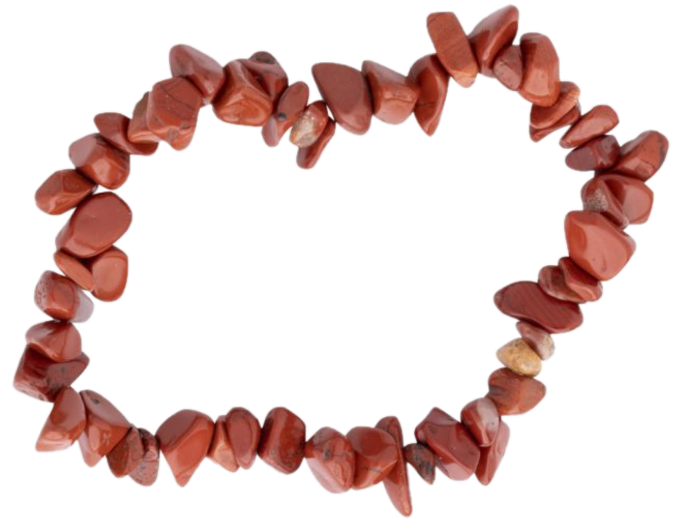
- Red Jasper is an impure, heavily mineralised aggregate packed with up to 20% particulate haematite, rendering it completely dense, earthy, and opaque.
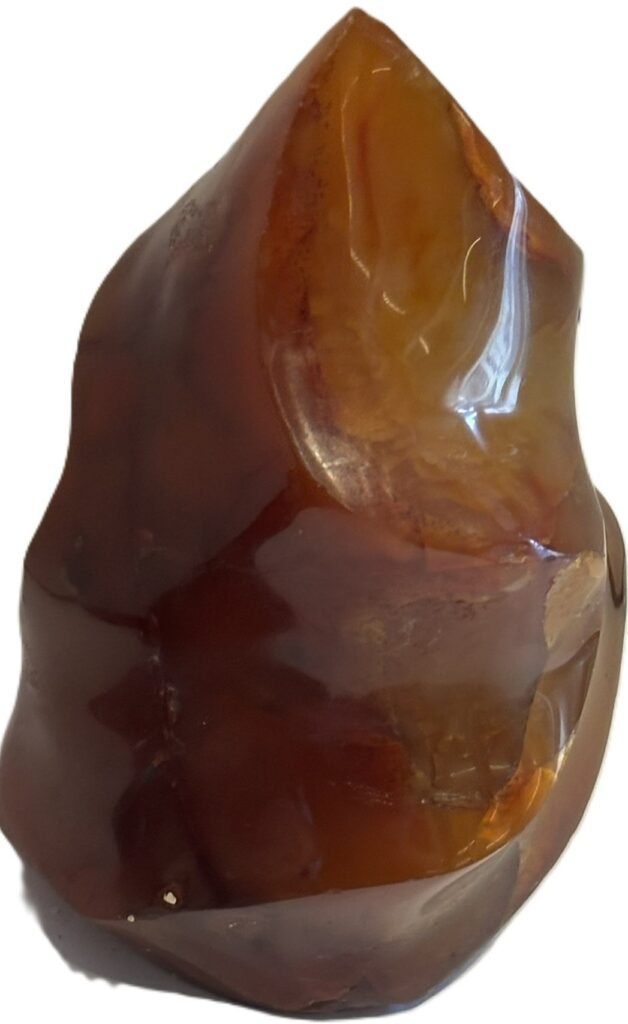
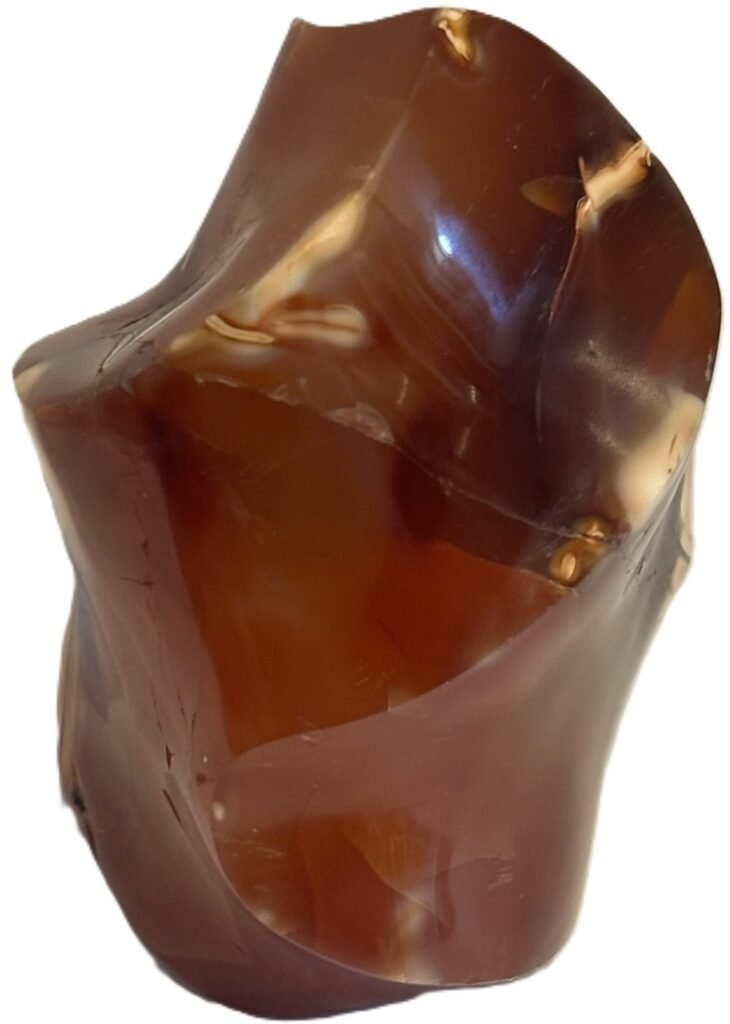
- Carnelian is a classic variety of chalcedony celebrated for its warm, uniform translucency that allows light to diffuse softly from within.
- Red Agate is distinguished by distinct concentric or parallel banding, alternating between vivid red ribbons and semi-translucent chalcedony layers.
Whether you are looking to authenticate a specimen, evaluate rough for the cabbing wheel, or simply sharpen your gemological eye, telling them apart comes down to a few diagnostic tests. By evaluating light transmission (diaphaneity), internal patterning, and market treatments, you can confidently identify each stone and understand the subtle science behind its colour.
| Feature | Red Jasper | Carnelian | Red Agate |
|---|---|---|---|
| Mineral Classification | Impure cryptocrystalline quartz aggregate | Translucent chalcedony variety | Banded chalcedony variety |
| Primary Iron Inclusions | Dispersed haematite (Fe2O3), up to 20% | Colloidal iron oxide / iron hydroxide | Iron oxide layers interspersed with clear silica |
| Diaphaneity (Transparency) | Completely opaque | Translucent to semi-translucent | Translucent with varying degrees of opacity |
| Visual Patterning | Solid, mottled, or brecciated; no fine translucent banding | Uniform, cloud-like, or subtly fiery; lacks sharp banding | Prominent concentric, fortification, or parallel banding |
| Mohs Hardness | 6.5 – 7.0 | 6.5 – 7.0 | 6.5 – 7.0 |
| Specific Gravity | 2.58 – 2.91 (heavier due to mineral load) | 2.59 – 2.61 | 2.60 – 2.65 |
| Lustre | Dull to vitreous; waxy when polished | Vitreous to waxy; deep resinous glow | Vitreous to waxy |
Practical & Diagnostic Differences
- The Torch Test (Diaphaneity): Hold the stone against a focused penlight. Red jasper blocks 100% of light transmission, appearing as a solid silhouette. Carnelian glows warmly from within with an amber-red diffusion. Red agate transmits light while clearly revealing internal concentric or parallel banding layers.
- Colour Character: Red jasper presents as an earthy, matte-to-waxy brick-red or terracotta. Carnelian leans brighter, ranging from fiery orange-red to deep carmine. Red agate often alternates between bright crimson, milky-white, and clear chalcedony ribbons.
- Lapidary & Carving Behaviour: Due to high particulate impurity content, red jasper displays a slightly more splintery fracture and takes a dense, waxy polish. Carnelian and red agate have a finer, more fibrous microscopic structure, taking a glassy, vitreous polish well-suited for cameos, intaglios, and faceted beads.
- Market Treatments: Natural carnelian and red agate are frequently enhanced; pale chalcedony is routinely soaked in iron nitrate solutions and heat-treated to simulate rich reds. In contrast, red jasper’s colour is almost universally natural, as its opacity and dense mineral matrix make artificial dye absorption ineffective.
These are my personally selected amd curated Red Jasper, Carnelian and Red Agate products
Products by Category

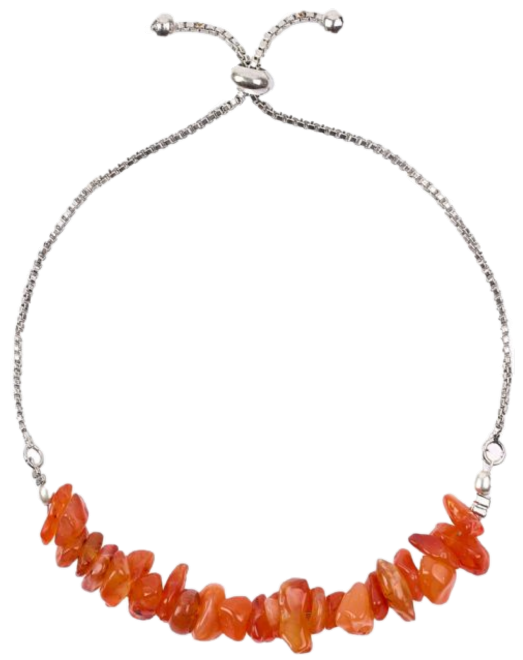
Carnelian Adjustable Bracelet
£7.50
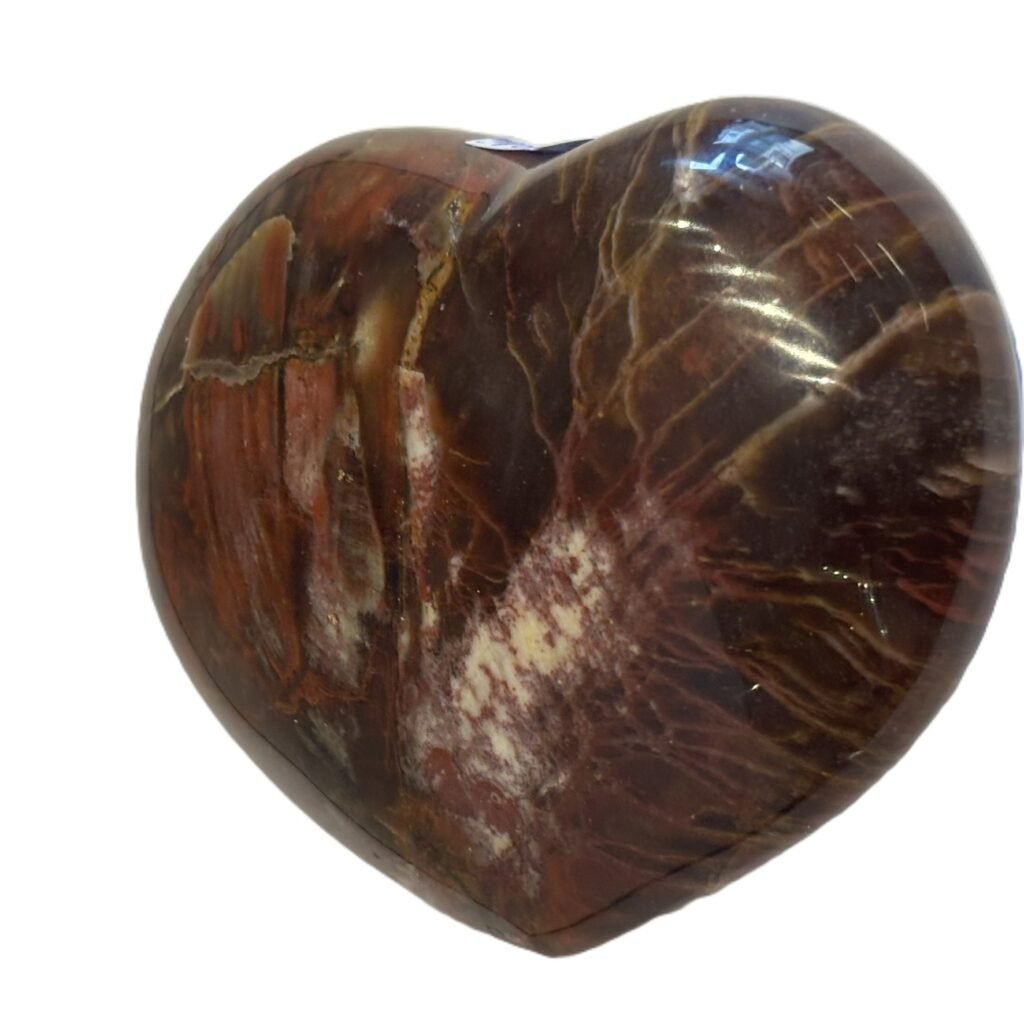
Polished Carnelian Carved Heart 7
£20.00
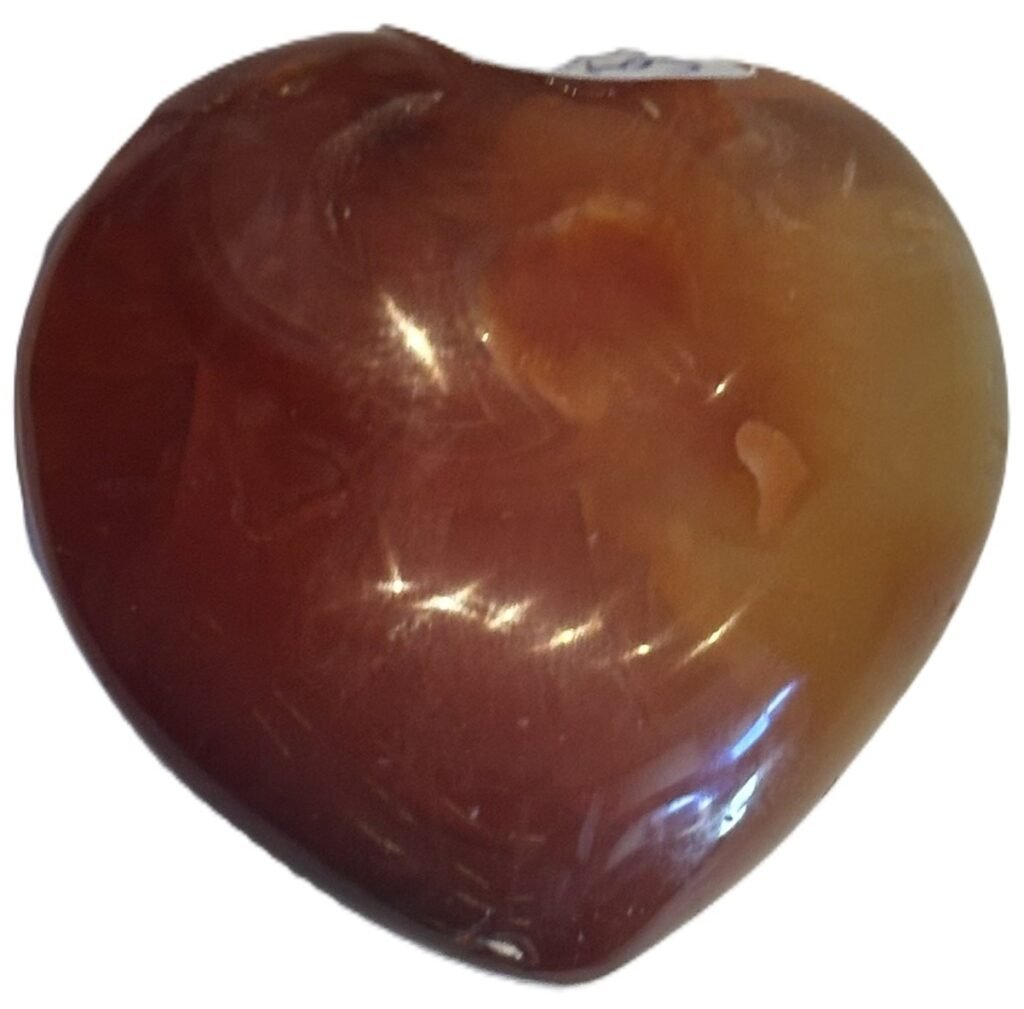
Polished Carnelian Carved Heart 97
£12.00
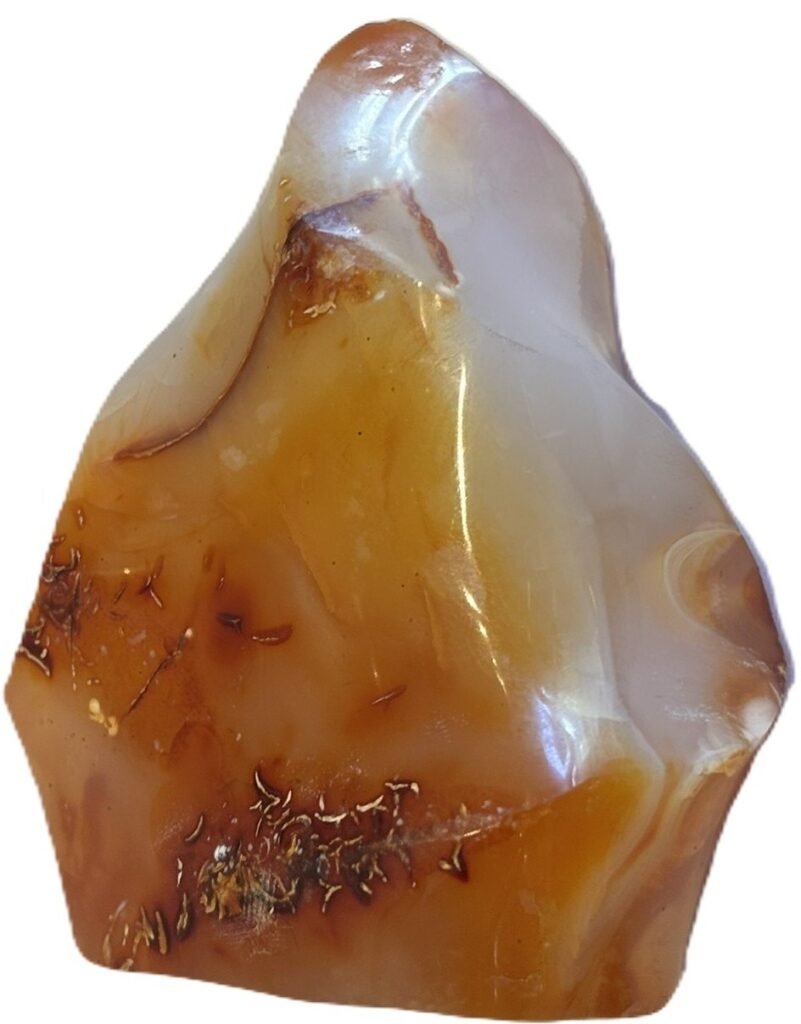
Polished Carnelian Flame Sculpture 1
£55.00
Polished Carnelian Flame Sculpture 11
£26.00
Polished Carnelian Flame Sculpture 2
£60.00
Polished Carnelian Flame Sculpture 3
£55.00
Polished Carnelian Standing Freeform 1
£250.00
Red Jasper Bracelet
£4.50